The main places of employment for a communication design professional are:
Design studios
Branding firms
Publishers
Digital/interactive agencies
Advertising agencies
Integrated communication firms
Marketing companies
Corporations
Institutions
Governments
Schools
And organizations with in-house design departments
Elements of Design
Point, Line, & Plane
We will as we go along be talking about many of the different kinds of formal elements:
Point
Line
Plane
Texture
Color
Value
And organizing principles such as:
Scale
Contrast
Movement
Rhythm
Balance
Let's start off with a basic basic, POINT, LINE and PLANE.
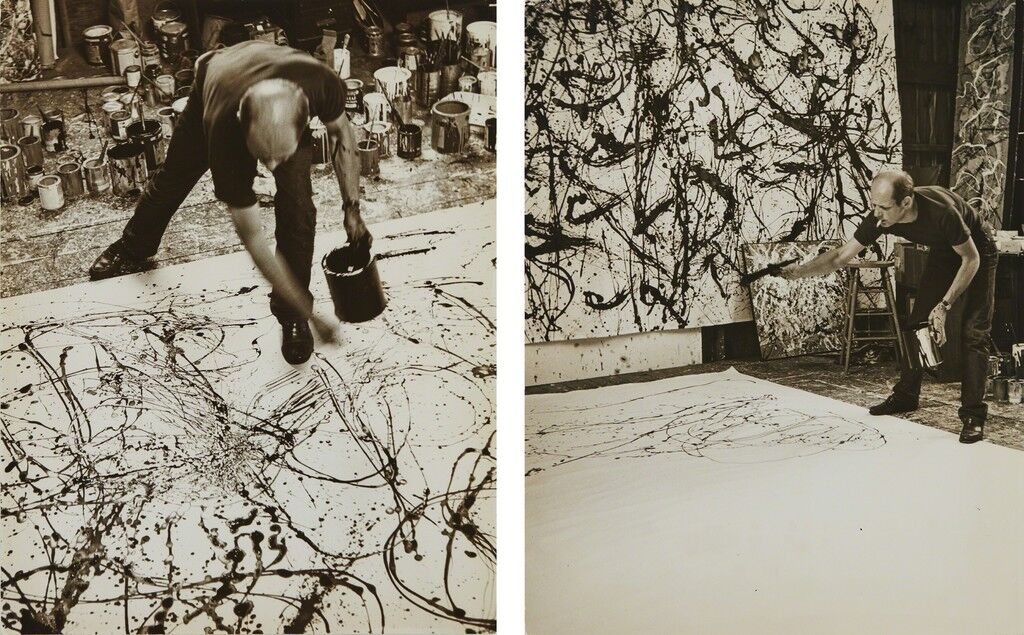
A line is the track made by the moving point... It is created by movement—specifically through the destruction of the intense, self-contained repose of the point.
Point, line, and plane are the building blocks of design. From these elements, designers create images, icons, texture, patterns, diagrams, animations, and typographic systems. Indeed, almost any design you can imagine results at some level from the interaction of points, lines, and planes
For Example:
Diagrams build relationships among elements using points, lines and planes to connect and map data.
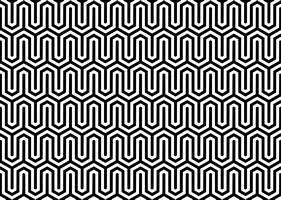
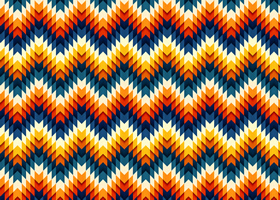
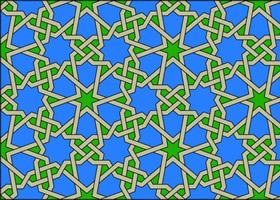
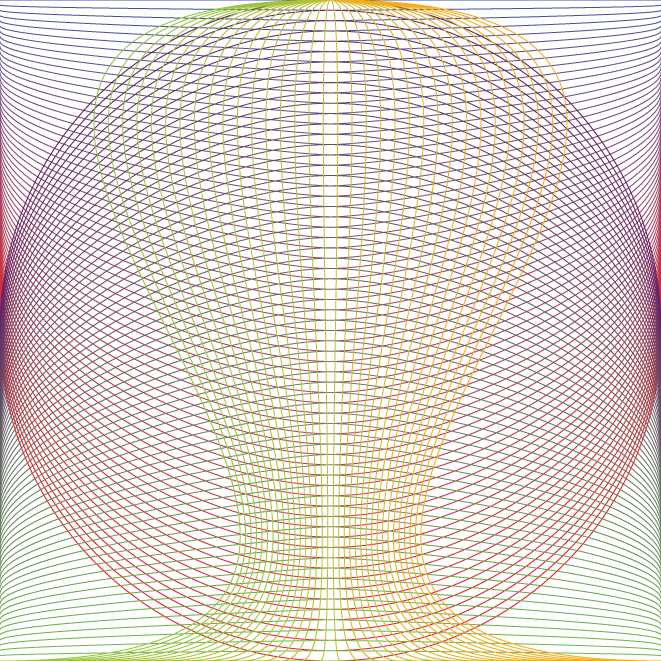
Textures and Patterns are constructed from large groups of points and lines that repeat, rotate, and otherwise interact to form distinctive and engaging surfaces.
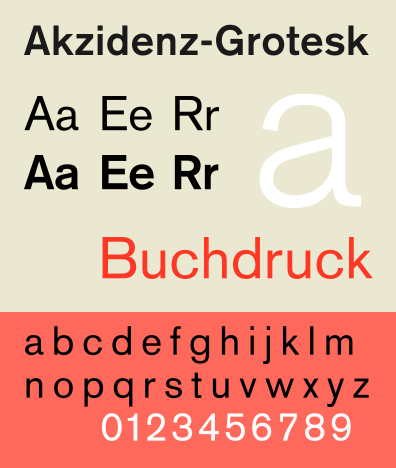
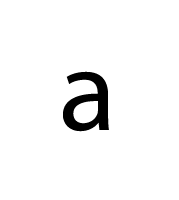
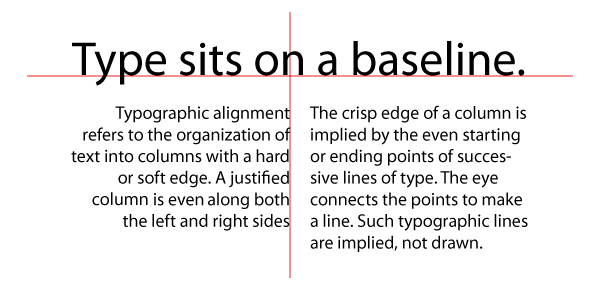
Typography consists of individual letters (points) that form into lines and planes of text.
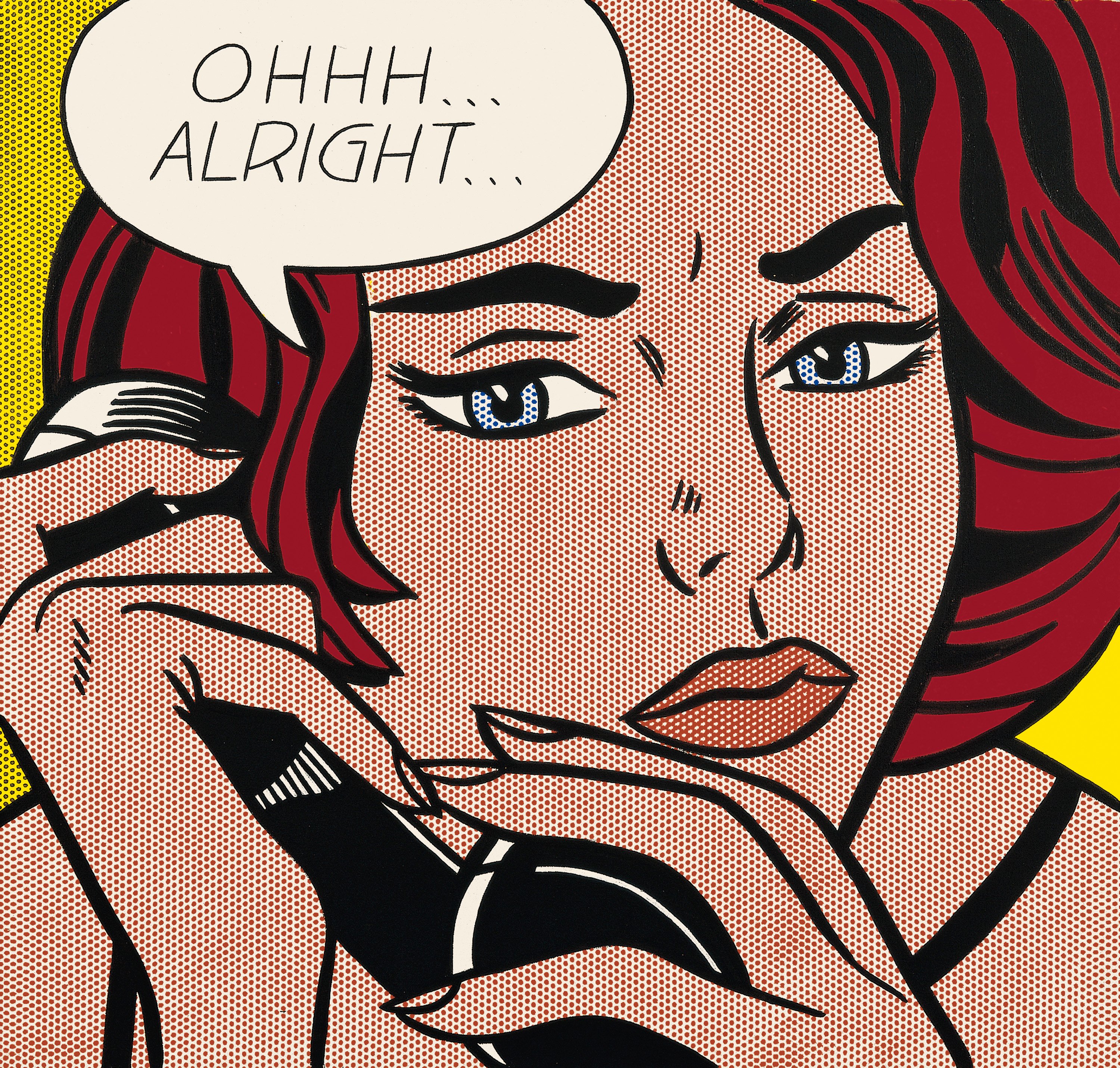
Throughout the history of image reproduction – woodcut, lithography, modern print (halftones), laserprinting, screen images – points and lines are used to render images.
Point
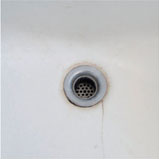
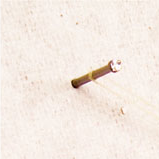
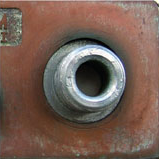
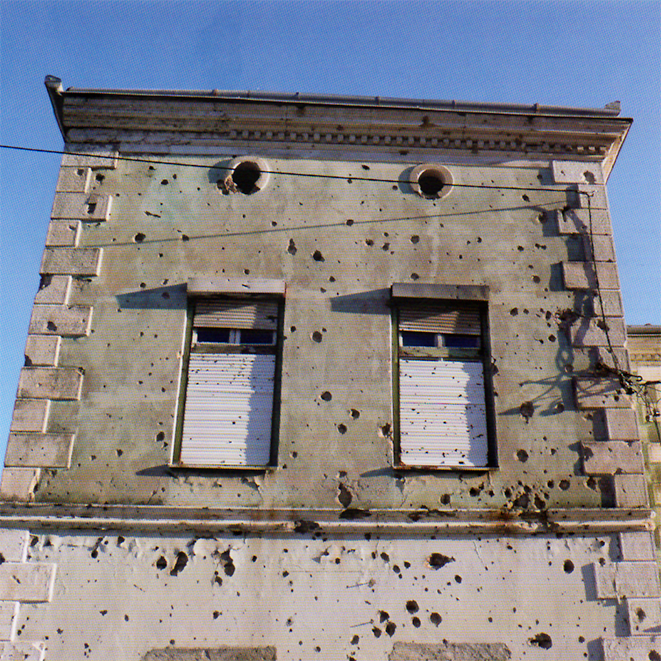
A point marks a position in space. Understood geometrically, a point is a pare of x,y coordinates. As a graphical fundamental element, it takes its form as a dot, a visible mark. It can be and insignificant fleck of matter or a concentrated locus of power. It can penetrate like a bullet, pierce like a nail, or pucker like a kiss. Through its scale, position, and relationship to its surroundings, a point can express it own identity or melt into the crowd.
In typography, a point is period—the definitive end of a line. Each character in a field of text is a singular element, and thus a kind of point, a finite element in a series.
Line
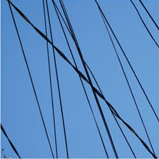
A line is an infinite series of points. Understood geometrically, a line has length, but no breadth. A line is the connection between two points, or the path of a moving point
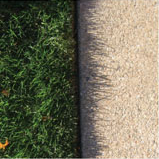
A line can be a positive mark or a negative gap. Lines appear at the edges of objects and where two planes meet.
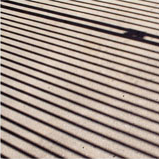
Graphically, lines exist in may "weights": the thickness and texture as well as the path of the mark determine its visual presence. Lines are drawn with a pen, brush, mouse, and event digital code. They can be straight or curved, continuous or broken. Lines can be used to define planes and textures.
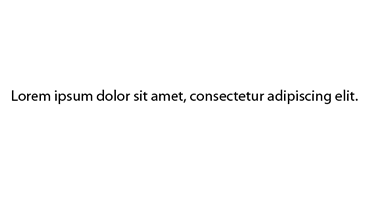
In typography, lines are implied as well as literally drawn. Characters group into lines of text, while columns are positioned in blocks that are flush left, right, or both, to an implied line.
Plane
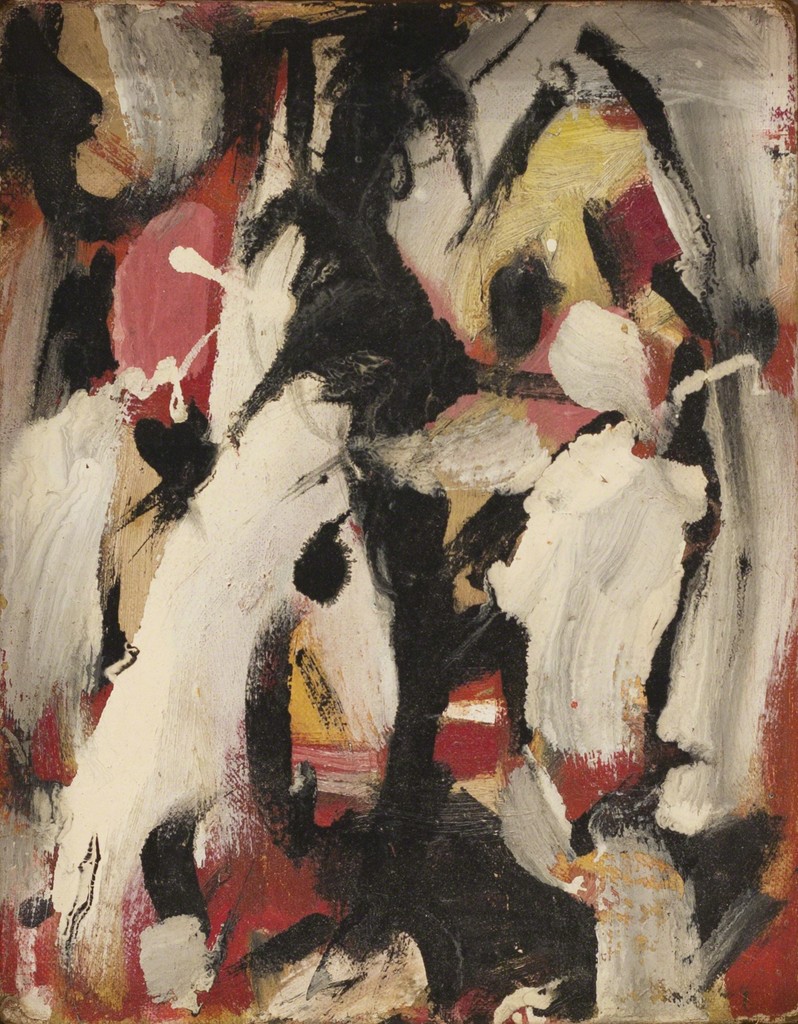
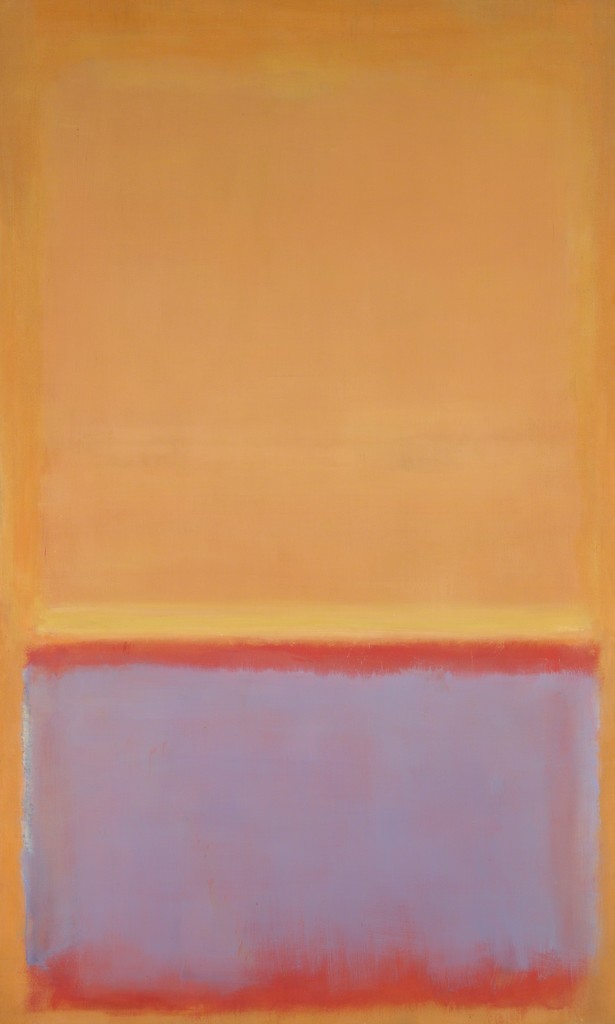
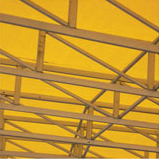
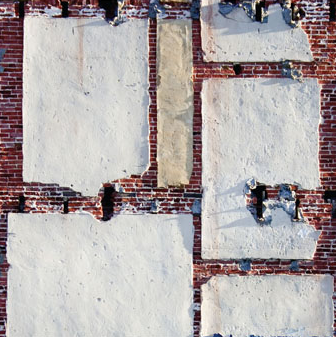
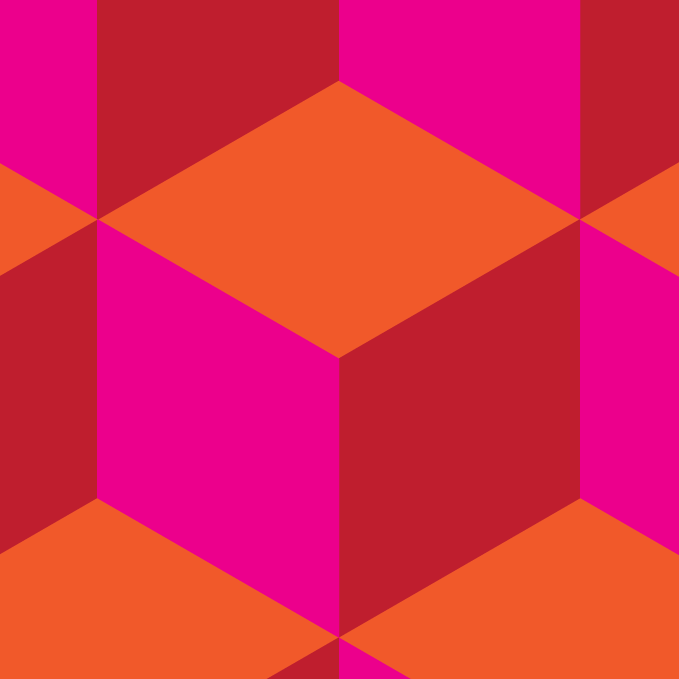
A plane is a flat surface extending in height and width. A plane is the pathway of a moving line; it is a line with breadth. A line closes to become a shape, a bounded plane. Shapes are planes with edges. In vector-based software, every shape consists of line and fill. A plane can be parallel to the picture surface, or it can skew and recede into space. Ceilings, walls, floors, and windows are physical planes. A plane can be solid or perforated, opaque or transparent, textured or smooth.
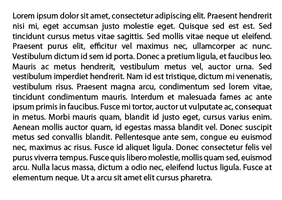
A field of text is a plane built from points and lines of type. A typographic plane can be dense or open, hard or soft. Designers experiment with line spacing, font size, and alignment to create different typographic planes.
For Next Time
Get the textbook.
Have finished reading: Chapter 2: Introduction: The Graphic Design Profession (5th Ed, p1-18. 4th Ed, pdf50-63)