| When | Lecture: 12:45-1:35PM Lab: 1:35-3:15PM Mondays & Wednesdays Fall Semester 2019 |
| Section | 3268 |
| Units | 3 units |
| Where | Art Department, Room 303 |
| Who | James Khazar www.khazar.com |
| Office Hours | 3:15-3:45PM M/W Room 303 |
 |
| When | Lecture: 12:45-1:35PM Lab: 1:35-3:15PM Mondays & Wednesdays Fall Semester 2019 |
| Section | 3268 |
| Units | 3 units |
| Where | Art Department, Room 303 |
| Who | James Khazar www.khazar.com |
| Office Hours | 3:15-3:45PM M/W Room 303 |
|
This is an introductory class in graphic design, focusing on the fundamentals of graphic design including history, theory and practice. Students will use graphic design as a means of communicating ideas in a digital environment. Specific focus will be given to principles of design; balance and visual hierarchy; integration of text and image. Students will survey the history of 20th & 21st century graphic design as a basis for exploring and understanding its fundamentals. Transferable to CSU, UC
This is a hands-on class. Understanding file management and basic computer applications is important since there will be no time scheduled for introductory lessons. This class will be taught through lectures, demonstrations, exercises and project with feedback sessions and critiques.
|
Lectures |
||
|
Objective |
Maps to Reading |
Maps to Projects/Exercises |
|
Analyze visual communication as it relates to graphic design for commerce. |
All readings |
All projects and exercises |
|
Identify the appropriate audience for the intended visual message. |
Chapters 7, 8, 9, 10, 11, 12, 13, 14 |
All Projects |
|
Evaluate and analyze successful design solutions and critique results. |
Chapters 2, 3, 6, 7, 8 |
All Projects |
|
Distinguish and describe 20th century graphic design movements and how they apply to current design trends. |
Introduction chapter |
Designer Report Project |
|
Identify and apply formal elements of design to communicate a message. |
Chapters 2, 3, 6, 7, 8 |
All Projects |
|
Labs |
|
|
Objective |
Maps to Projects/Exercises |
|
Create original graphic design projects at professional level, and to create graphic design projects for target audience. |
Book Cover Project, Logo Design Project, Ad Campaign Project |
|
Make use of the computer to relate a design production value to the traditional problem solving of the assignments. |
All Projects and Exercises |
|
Produce mechanical materials for publication. |
All Projects |
|
Create graphic design elements utilizing the formal elements of design. |
All Exercises |
| Letter Grade | Grade Score Value | Score Range |
| A | 100 | < 100 - 95 |
| A- | 90 | < 95 - 85 |
| B+ | 80 | < 85 - 75 |
| B | 70 | < 75 - 65 |
| B- | 60 | < 65 - 55 |
| C+ | 50 | < 55 - 45 |
| C | 40 | < 45 - 35 |
| C- | 30 | < 35 - 25 |
| D+ | 20 | < 25 - 15 |
| D | 10 | < 15 - 5 |
| F | 0 | < 5 - 0 |
Note that DVC does not allow +/- grading. Only whole grade values (A,B,C,D,F) are recorded, so a B+ or a B- is reported as a B.
Also note that this scale was changed at the end of the semester to conform with some Canvas weirdness. But an A has always been an 100, and A- a 90, a B an 80, etc. No one will get a lower grade due to the change, in fact, more people are getting higher overal grades due to the change.
| Number | Name | Percent of Overall Grade | Grade Type |
| Exercise 01 | Point, Line, & Plane | All exercises are required to be completed and while they don't add to your grade, failing any exercise will reduce your final accumulated grade by 10 points. So if you were going to get an A, you would get an A- instead, if you were going to get a A-, you'd get a B+, etc. | Pass/Fail |
| Exercise 02 | Rhythm & Balance | ||
| Exercise 03 | Visual Hierarchy | ||
| Exercise 04 | Design Your Name | ||
| Exercise 05 | Visual Brief | ||
| Exercise 06 | Drawing for Designers | ||
| Exercise 07 | Color Schemes | ||
| Project00 | Sketchbooks | 15% | A:100, A-:90, B+:80, B:70, B-:60, C+:50, C:40, C-:30, D+:20, D:10, F:0 |
| Project01 | Design History Research | 10% | |
| Project02 | Posters | 25% | |
| Project03 | Book Covers | 25% | |
| Project04 | Identity & Logo | 25% | |
| Extra Credit | Raises the lowest grade on a 25% project by one notch, so a C+ becomes a B-, a B- a B. etc. | ||
Grading is based on assignments and participation in class and crits. Assignments must be complete to receive a passing grade.
Evaluations will adhere to the DVC Fairness in Grading guidelines at: http://www.dvc.edu/communication/policies/academic/grades.html
Rules |
|
||||||||||||||||||
Misc. |
|
||||||||||||||||||
Important Dates |
|
||||||||||||||||||
Guidelines for a High Grade
|
|
||||||||||||||||||
Methods |
|
||||||||||||||||||
Student
|
Lecture
Lab
|
||||||||||||||||||
Suggested Text |
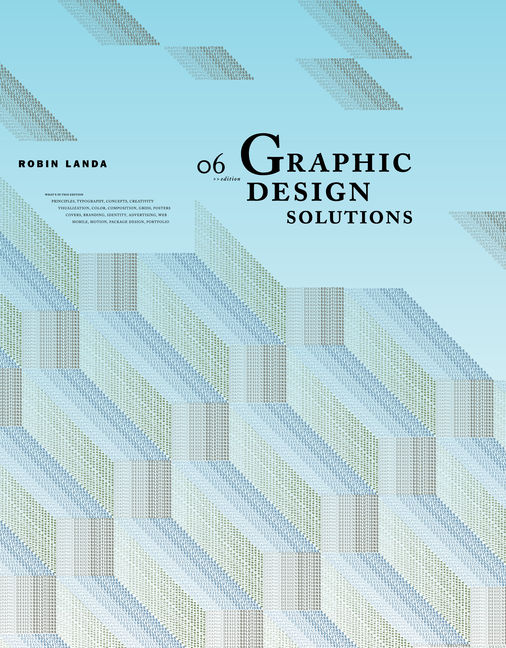
Purchasable New:
|
||||||||||||||||||
Required Materials |
Removable storage (USB Jump Drives: 512MB at least) for storing your assignments and backing them up. Lost files are not an acceptable excuse – back up your work! 9 x 12 Sketchbook with spiral binding, medium weight pages (60lb+) |