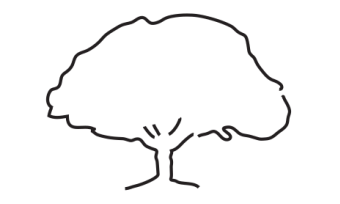
Notational
Linear, reductive visual characterized by minimal detail and lines.


If you're digging for water, it's better to dig one, sixty foot well than six, ten foot wells
Designers work with two main components: Type and Image
Images can be:
Philip B. Meggs classifies images in his book Type and Image: The Language of Graphic Design from rudimentary to complex as:
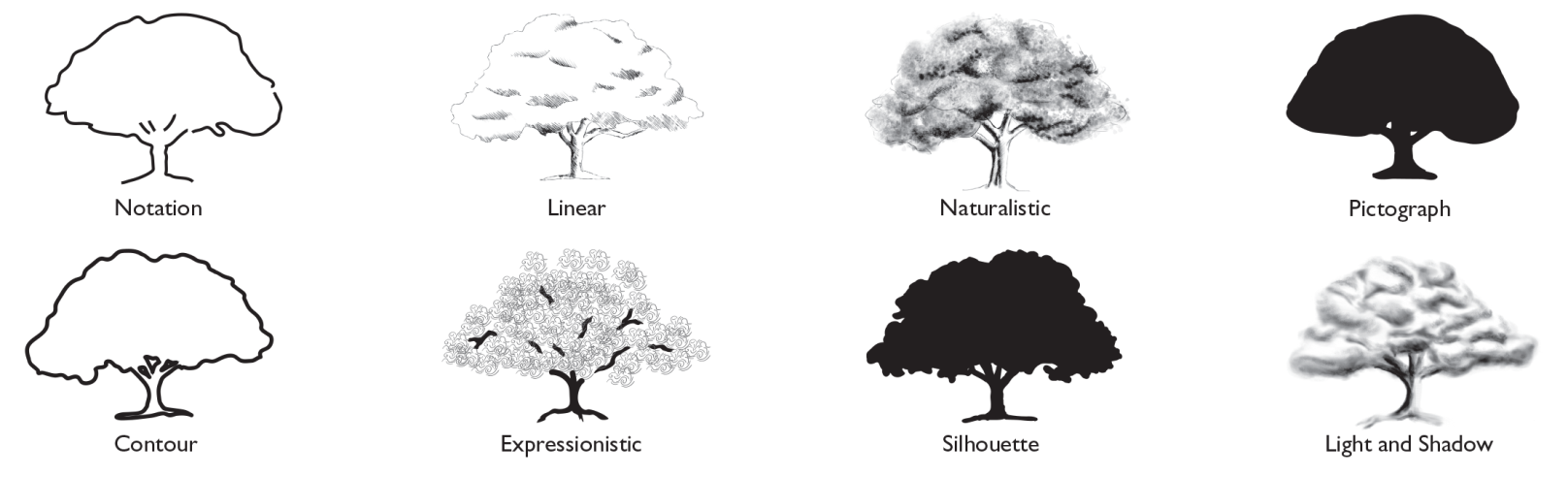
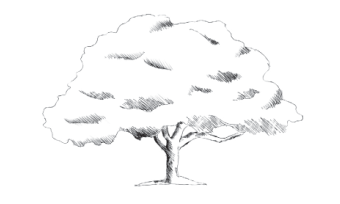
Linear, reductive visual characterized by minimal detail and lines.
A shape or form described predominantly by the use of line.

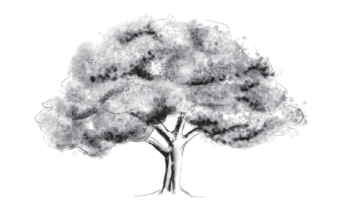
A visual appearance or style created by full color or tone using light and shadow that attempts to replicate the subject as it is perceived in nature.

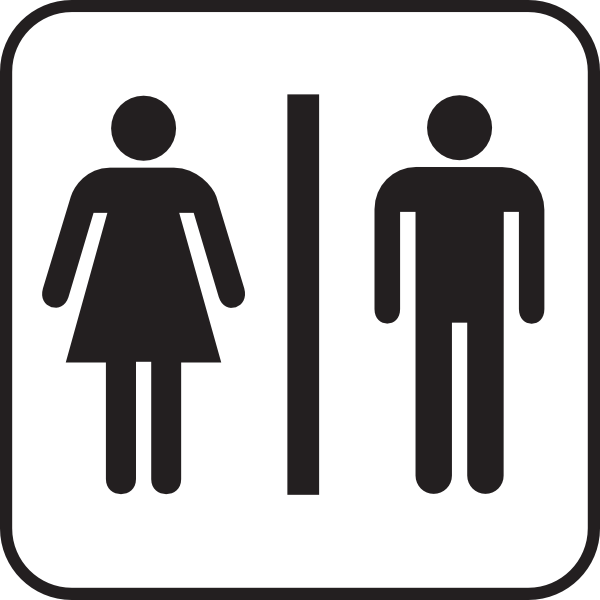
An elemental, universal picture denoting an object, activity, place, or person capture through shape —for example, the images denoting gender on a restroom door.


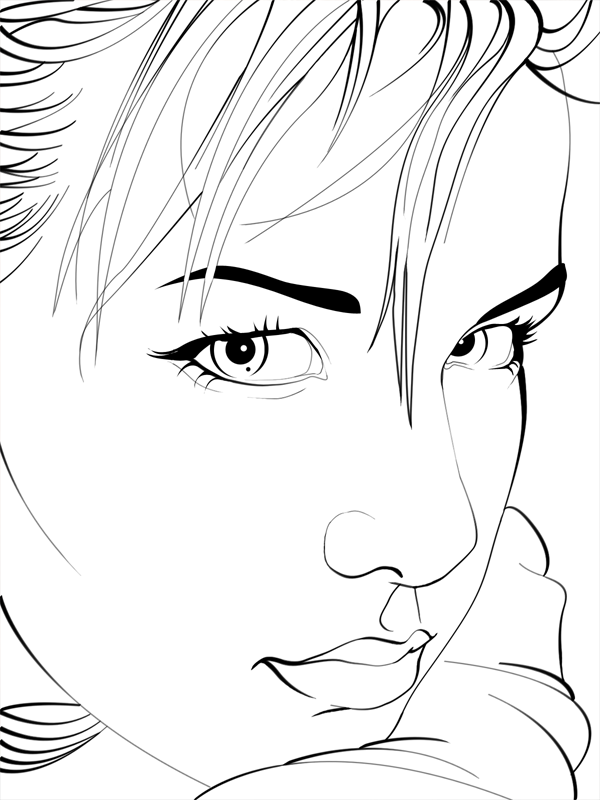
A shape or form depicted through the linear outline of an object's boundaries. Not limited to simple outlines, for example.


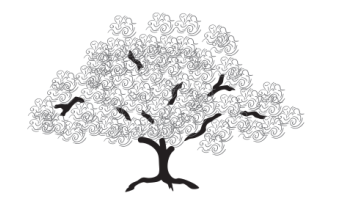
A style of visualization characterized by a highly stylized or subjective interpretation, with an emphasis on the psychological or spiritual meaning. Here's a great animated film that makes the most of an expressionistic style, Song of the Sea.

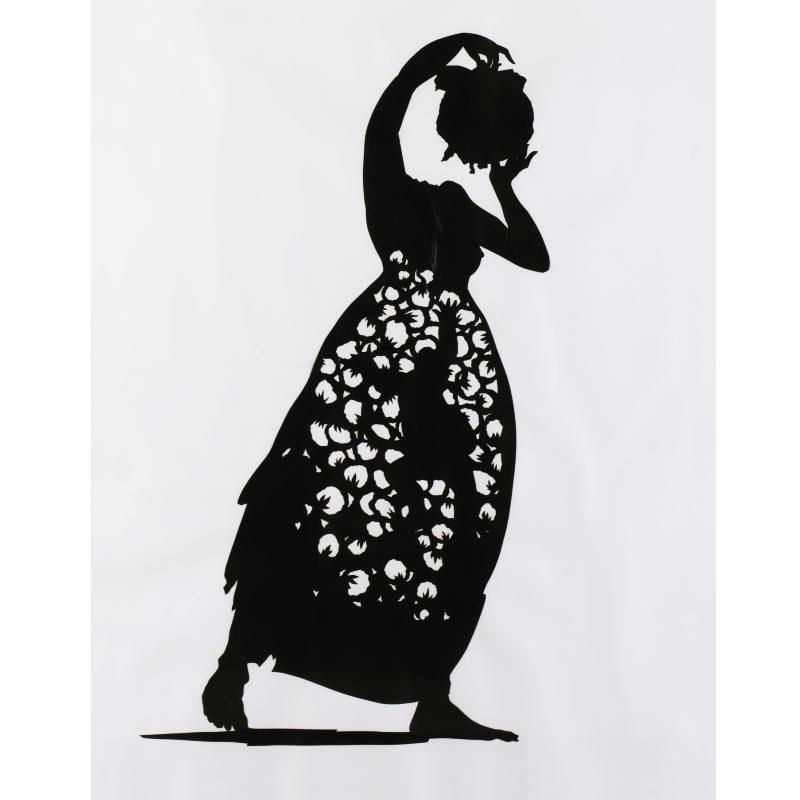
The articulated shape of an object or subject taking its specificity into account (as opposed to the more elemental form of a pictograph).
A fantastic artist, Kara Walker, has given the artform of silhouette a new life. And then there's Lotte Reiniger, German animator of silhouettes in the first half of the 20th century. 
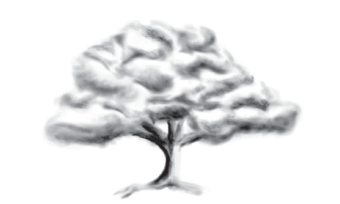
Using light and shadow to describe form and the illustration of three-dimensional space. See chiaroscuro. Another 'distinction without a difference' from Naturalistic.


Semiotics rears it's ugly/beautiful head again. Here's a good web site if your interested in more info.
Graphic design signifies. It represents and communicates. Semiotics classifies signification, symbols, and signs in very specific (and sometimes useful) ways:
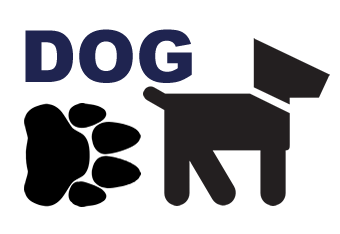
A visual mark or part of a language that denotes another thing. For example, the word "dog" and a pictograph of a dog, and the footprint of a dog are all signs used to represent "dog".
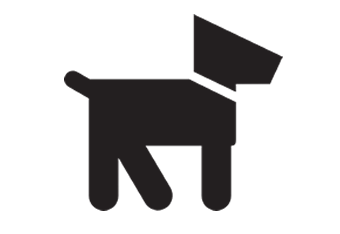
An Icon is a type of literal sign. It's a visual that can represent objects, actions, or concepts. An icon resembles the thing it represents or, at a minimum, shares a quality with it. An icon is a literal sign.
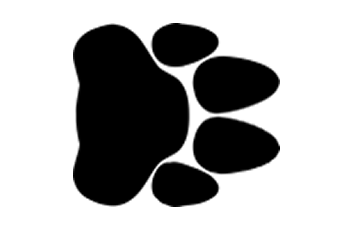
An index is a type of implied sign. It signifies through a direct relationship between the sign and the object, without describing or resembling the thing signified. In other words, the image points to the thing signified rather than being an image of that thing. For example, a leaf for a tree, a pacifier for an infant, a bed for lodging, a knife and fork for food.
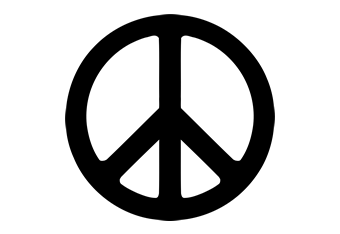
A visual that has an arbitrary or cultural-conventional relationship between the signifier and the thing signified. The meaning is decoded through learned associations. Words are Symbols in this regard. The classic peace symbol, stop signs, etc.
Signs and symbols, especially reductive-style images, are common in graphic design. They're part of core language of visual communications.
There's a lot of existing work on these in the form of pictographs.
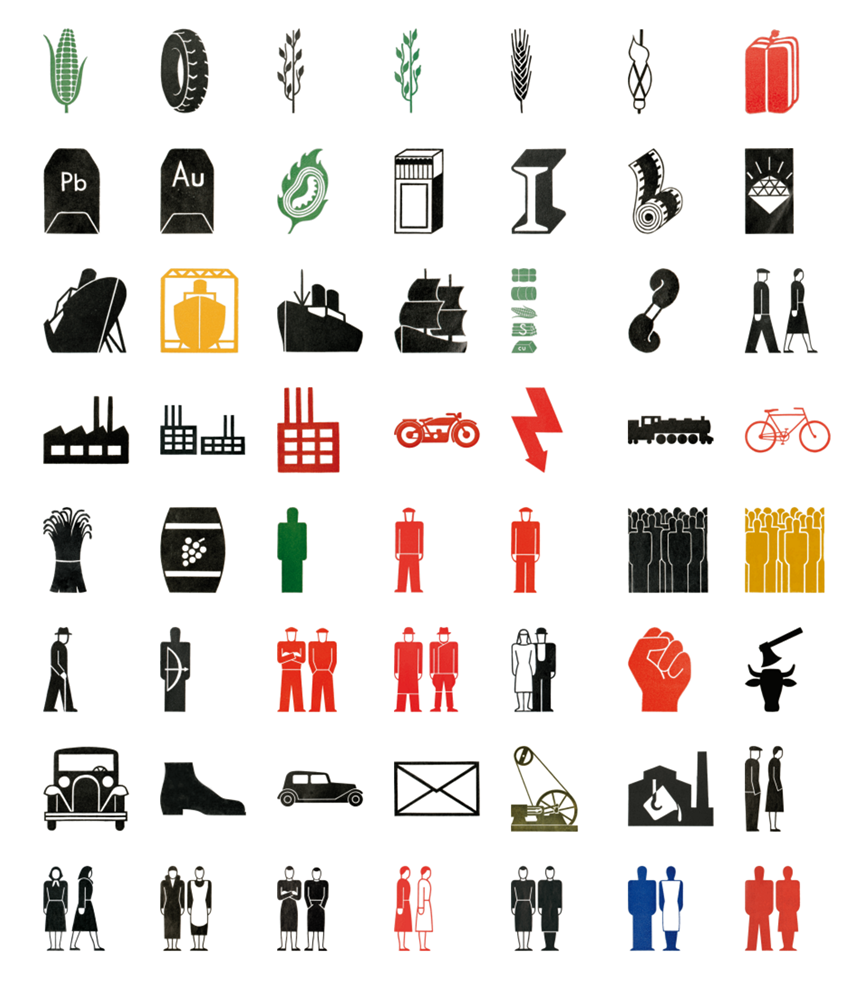

Icons as referred to by most people can be either semiotically iconic/literal, indexical/implied, or symbolic. That is, they can be literal, arbitrary, or based on accepted convention. Generally, icons are the gizmos you click on or touch to instigate some kind of interaction in a user interface.
Our text suggests the following as things to take into consideration when designing an icon:


What kind of images are called for in the successful design of a project?
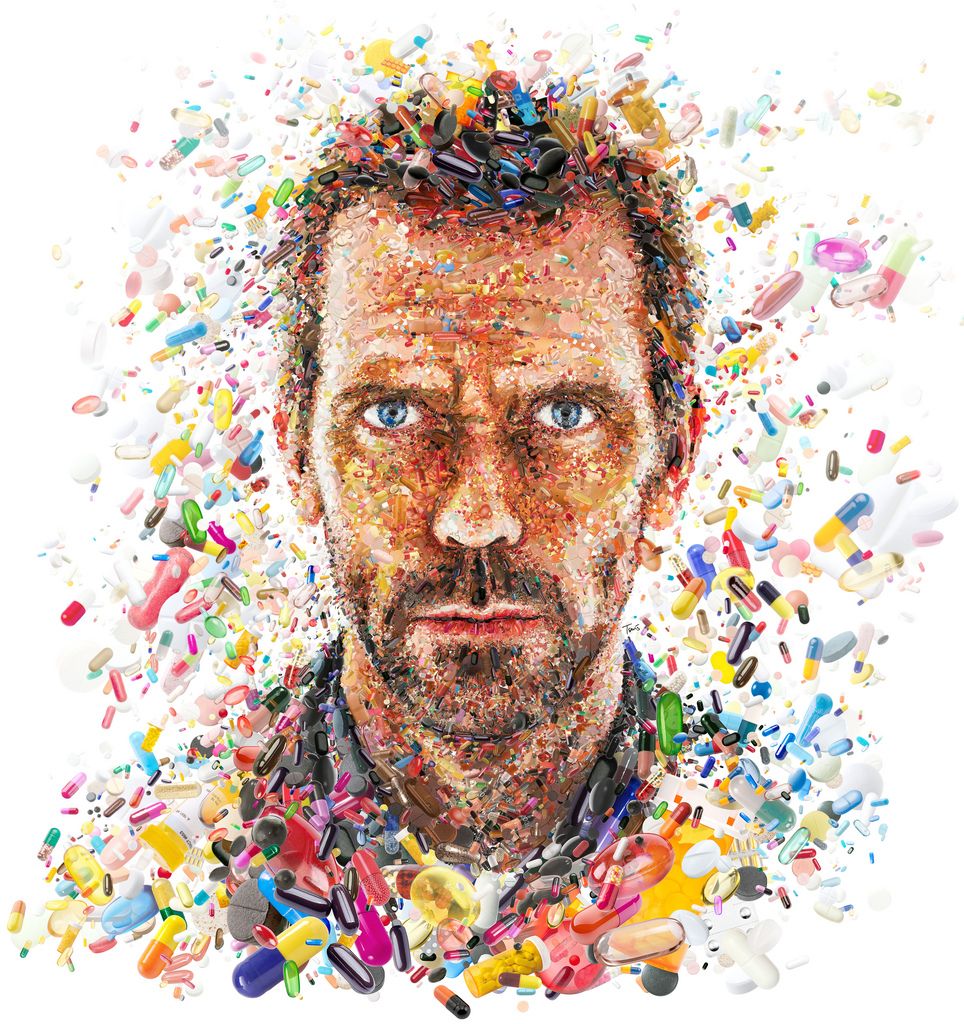
A handmade unique image that accompanies or complements the design.
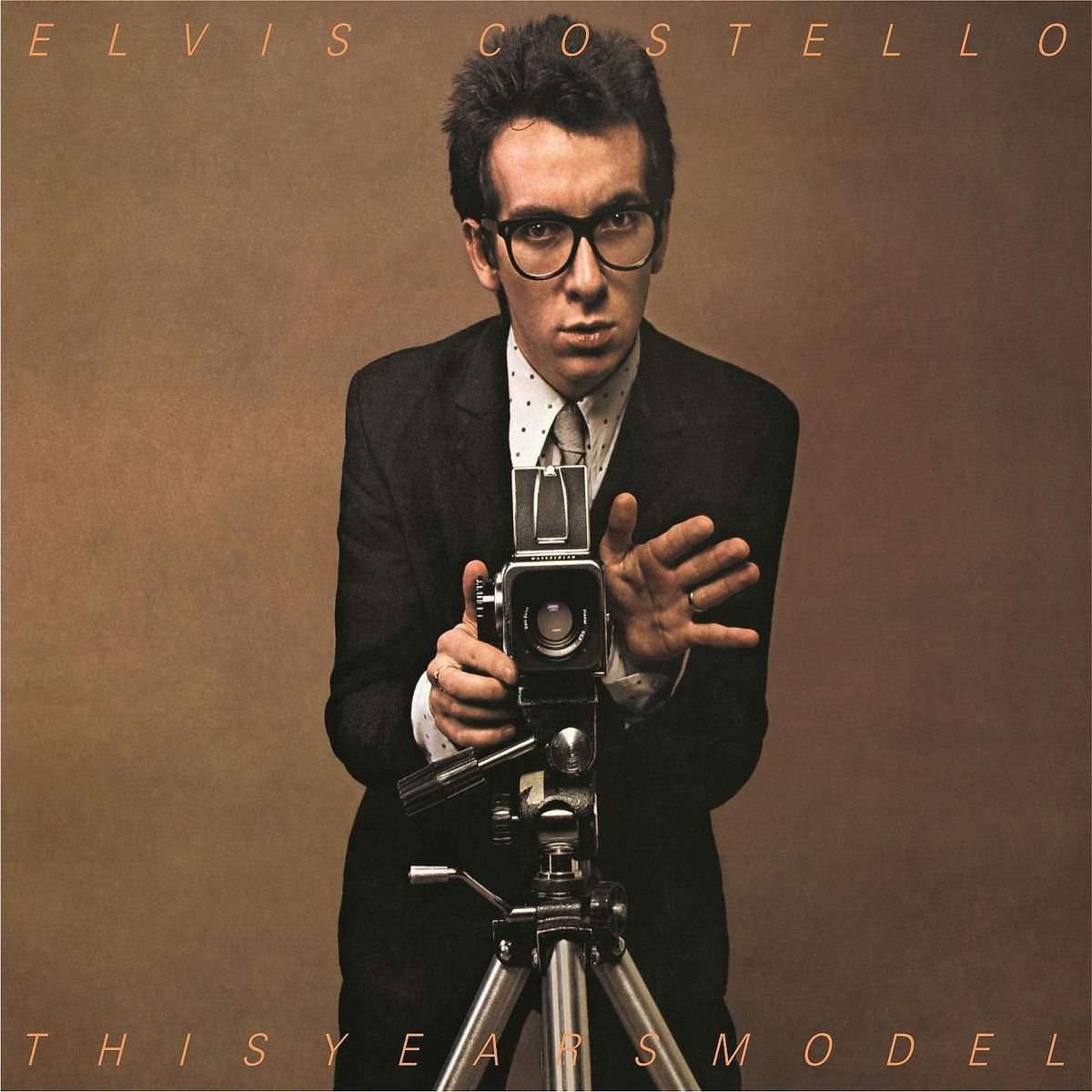
A visual created using a camera. Commercial photographers specialize in various genres, such as food, sports, nature, product photography, fashion, etc. Being a professional photographer requires a large investment in equipment - more than just a camera, there's lights, studio space, printers...

An elemental visualization of an object or subject, sometimes resembling a sign, pictograph, or symbol in its reductive representation.
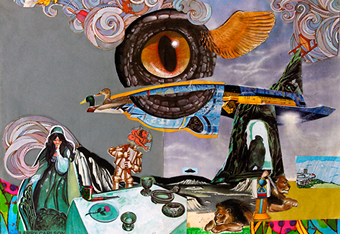
A visual created by cutting and pasting bits of pieces of paper, photographs, cloth, or any material to a two-dimensional surface. Like the insanely great work of the artist Jess Collins

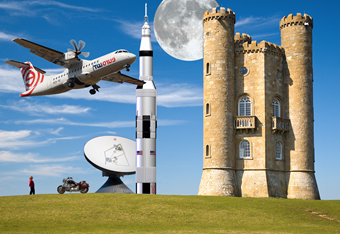
A collage of photographs. Like the equally insanely great work of painter David Hockney

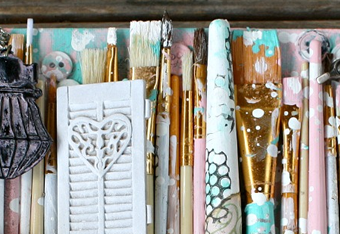
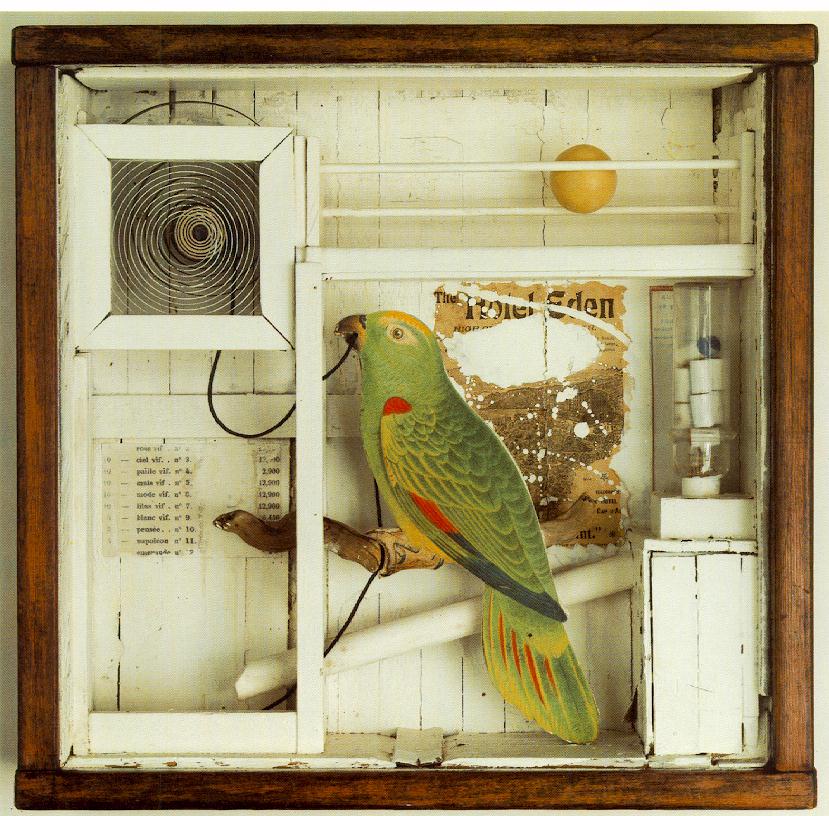
A catch-all category when there's more than one kind of image - photos, illustration, collage, diagrams, etc. Like another insanely great artist's work, Joseph Cornell
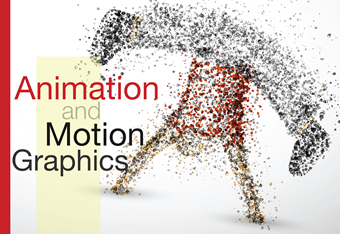
Time-based visual communication that integrates visuals, typography, and audio.
One I did for Todd Rundgren's The Individualist
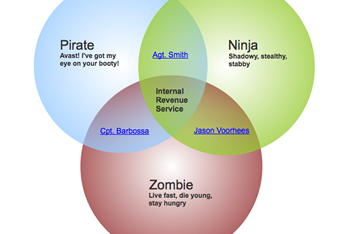
A graphic representation of information, statistical data, structures, environments, or processes.
Next time...
Work on Exercise 6: Drawing for Designers