Class Ten: The Design Process I

Daily Doodle

International
Translation Day

Chewing
Gum Day

The Design Process

Our book has a great chapter 4, which outlines in detail the professional design process, that is, the way in which Designers approach their work, and the standards that have developed in the industry over the decades.

The book delineates five phases of the Design Process:

Phase 1: Orientation

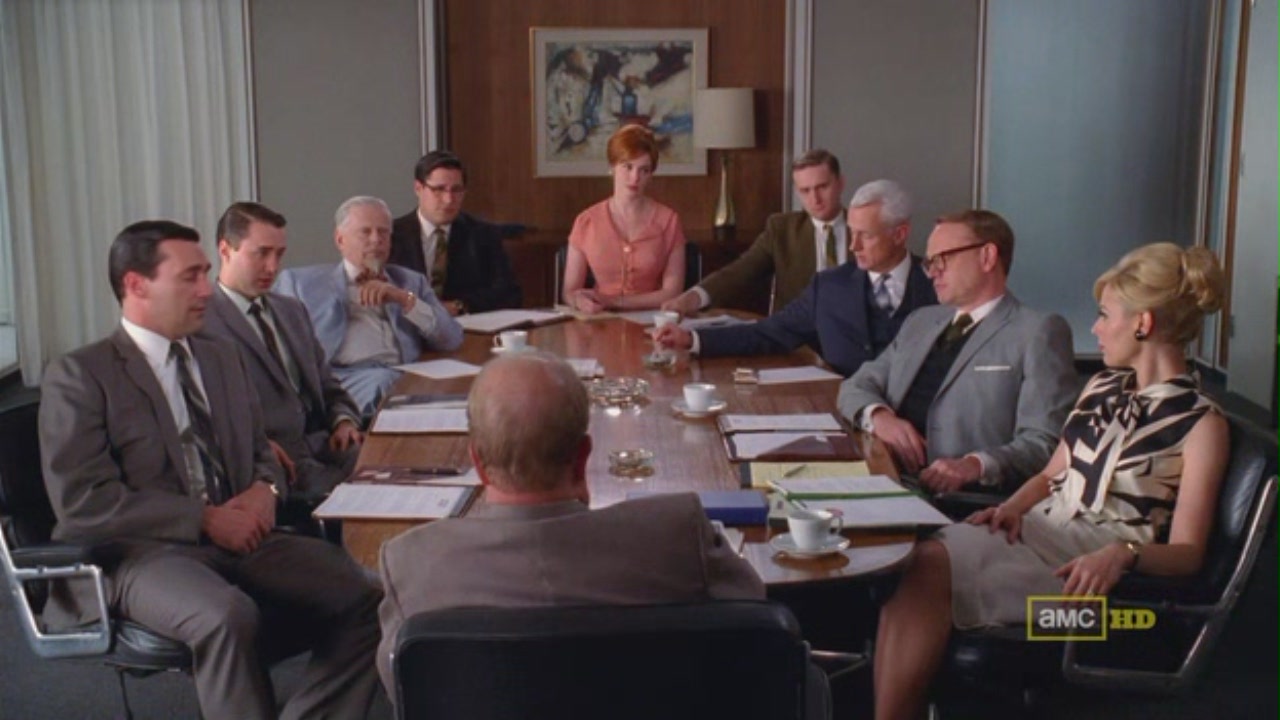
madmen meeting

The process of becoming familiar with your project/assignment/job/gig.

You should never start designing before completing the Orientation and Analysis phases of a project.

It's all about acquiring information. Remember, Graphic Design is communicating Information, and if you don't have the info, how can you transmit it?

Who Conducts the Orientation?

Depending on the structure of the job environment, the Orientation can be conducted by:

Ask the right basic questions:

Orientation Variations

Variations for Product Marketing

  • What's the competition?
  • Product Differentiators
  • List of Features & Benefits

Variations for Branding Design

  • Brand awareness?
  • Differentiators?
  • Long term plan (5yr and 10yr)

Variations for information Design

  • Functionality specification
  • Audience limitations
  • Context

Variations for Editorial Design (magazines, Blogs)

  • Publication context: New pub, Revamped pub, Special edition
  • Publication niche
  • Subject & author

Variations for Environmental Design

  • Environmental function?
  • What's the space?
  • Integration with interior design and/or architecture
  • Collaboration with interior designers and/or architects
  • Audience limitations
  • Context

Who Is The Target Audience?

Fundamental. Probably the single most important factor to understand when starting a project. If your client doesn't know their target audience, it's your job to help them discover it.

Examples:

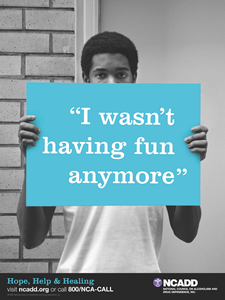
Hope, Help & Healing campaign

Audience is:

  • Individuals in recovery
  • Average age 48
  • 20% under 30
  • Targeting 20-35 year olds
  • Targeting family and friends of potential addicts

HBO Volume.com

Audience is:

  • Urban, cutting-edge
  • 12-35 year old
  • Prospective target Call-To-Action:
    Get a 15-year-old marketing cynic to put a logo sticker on their skateboard

Material Gathering: Getting All The Information

To design, you must learn the client's:

This is not a step you can skip!

Gathering Information Through Listening

The client is usually the font of all wisdom regarding the project they bring to you. At least for the start. You must become an expert on their project.

Listen to the client's:

Take notes! Cool Trick: Read back your notes to the client in the meeting

Material Gathering Involves:

Know your industries and market sectors

Industries & Sectors


Phase 2: Analysis & Strategy

Here you examine, assess, discover and plan. However, this is not the part where you conceptualize or design!

In Mad Men, they did it over cocktails!

Cocktails!

Phase 2: Analysis

Phase 2: Strategy

Strategy Questions to be answered:

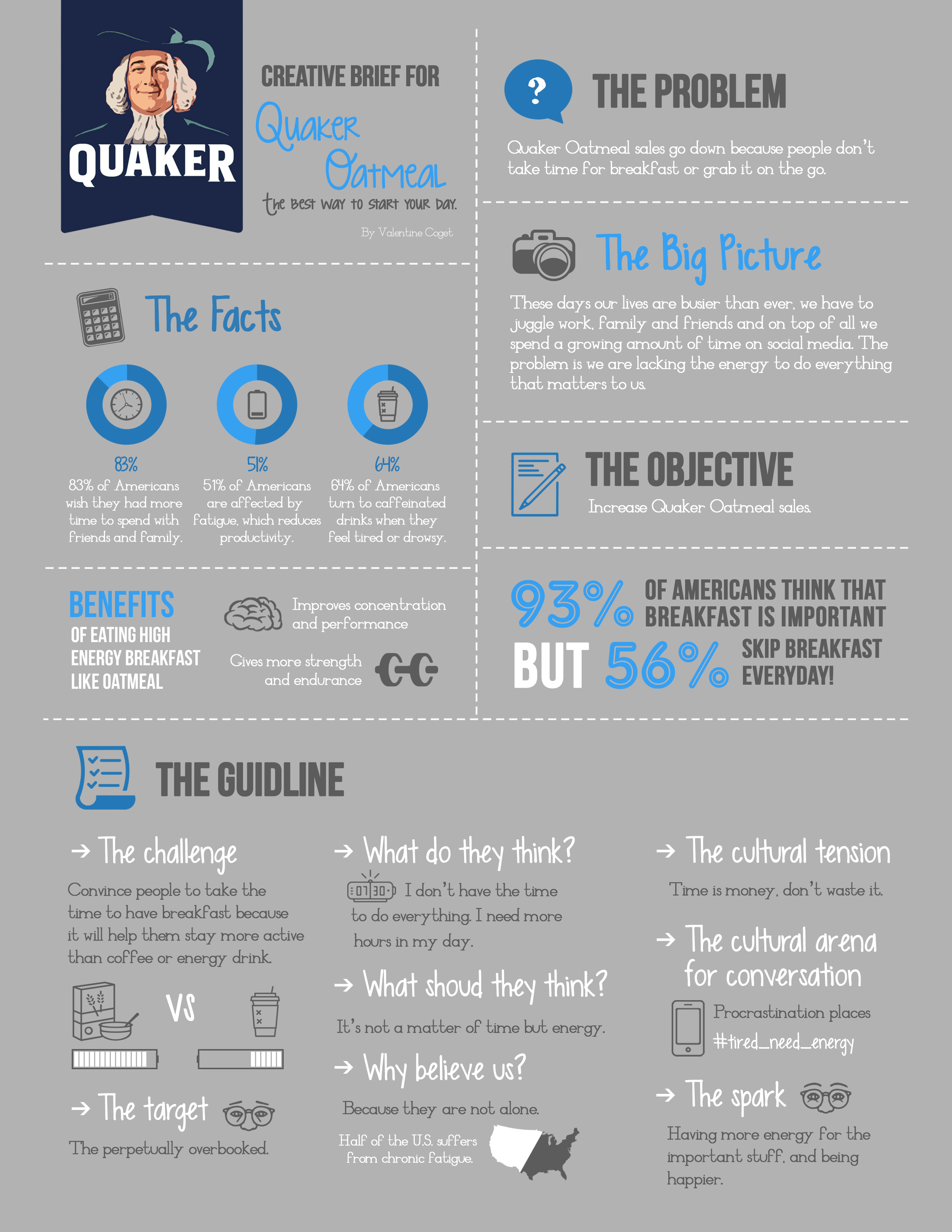
The Design/Creative/Visual Brief/Plan

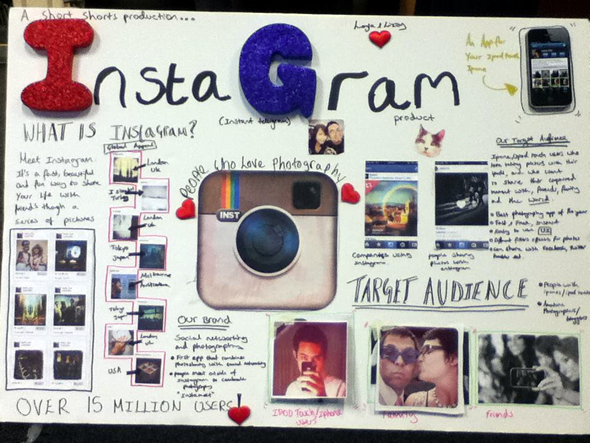
Visual Brief Collage Board

A physical document agreed upon by both client and design outlining and strategizing a design project. It becomes the springboard for conceptual development.

Best Case: Built by Integrated Teams (client, strategists, planners, tech professionals, architects, interior designers, industrial designers, creative directors, art directors, graphic designers, UX designers, etc.)

Frequent Case: Handed down from above

Types of Design Briefs depend on design agency:

Here's how not to write a creative brief

The Visual Brief Collage Board Alternative

Visual Brief Collage Board

A nice method of compiling images as an alternative to adjunct to written strategies. Here's more on Google Images (search on visual brief collage board)

Sample Detailed Design Brief Used for Branding, Visual Identity, Promotional Design, and Advertising

Question 1: What is Our Challenge?

Every project has a desired outcome.

Question 2: What is the core audience?

Identifying the people who comprise the core audience is essential in formulating relevant ideas.

Question 3: What is the Audience's perception of the Brand?

Assess what the core audience thinks and feels about the brand.

Question 4: What would you like the core audience to think and feel?

Determine one clear reaction you want the audience to have.

Question 5: What specific information and thoughts will assist a change in the target audience's perceptions?

Provide facts and information that will enable people to alter their beliefs and opinions.

Question 6: What is the core of the brand personality?

Each brand should have a well-defined essence.

Question 7: What is the key emotion that will build a relationship with the core audience?

Identify one emotion that people ought to feel most about the brand.

Question 9: What are the most critical executional elements and what is the budget?

Determine the visual and text elements required for each project.

Question 10: What is the single most important takeaway?

Establish the single most important message to convey in the form of a single thought.

Question 11: What do we want the audience to do?

Define the call to action.

Client Review During Phase 2

It's important that the client be kept appraised of your thinking, so let them know and get a signature!