Our textbook, and most design books, doesn't really have much to say about 21st century design. The web and Youtube are more useful for getting a sense of what
are the high-points of contemporary design. Here's an excellent Youtube video about the hot trends of 2019:
Places to Work As A Graphic Designer
The main places of employment for a communication design professional are:
Design studios
Branding firms
Publishers
Digital/interactive agencies
Advertising agencies
Integrated communication firms
Marketing companies
Corporations
Institutions
Governments
Schools
And organizations with in-house design departments
Who works with Graphic Designers?
A graphic designer almost always works in collaboration with other professionals:
Creative directors
Associate creative directors
Art Directors
Design directors
Production experts
Photographers, illustrators, copywriters
Printers and printers’ sales representatives
Specialists
interactive
type/lettering
architects
film directors
producers
casting directors
music houses
IT professionals
psychologists
social anthropologists
market researchers
talent (actors, musicians, and models)
Graphic Designers Work On...
Since graphic designers design visual stuff, here are the kind of stuff they work with
Print
Books
Magazines
Newspapers
Brochures
Booklets
Posters
Covers
Business Cards, Letterhead, Envelopes
Screen-Based
Desktop web
Mobile web
Social Media
Tablet Apps
Mobile Apps
Public Screens
Installations
Environments
Outdoor Billboards
Commercial
Educational
Government
Museums
Public Spaces
Almost any kind of design project can go across categories...
The Skills Demanded by the Graphic Design Profession
Critical Thinking
The ability to analyze complex issues and solve problems
Creative Skills
The ability to think and produce things that have never been done before. To make stuff up, but make up the right stuff (based on critical thinking)
Technical Skills
Flat out, you have to know how to:
Work with Photoshop
Work with Illustrator
Work with InDesign (for print) and/or Dreamweaver (for web)
Code - you don't have to be a master at it, but you have to know enough to work with programmers.
...as never before, (design) is intimately attached to programming
- Laura Lejo, Showcased in Graphic Design Solutions, 5th edition, pp16-18.
A Broad Liberal Arts Education
Get your Bachelors if you can! Seriously.
Check it out
How to get a Design Job! from AIGA, the "professional association for design", ebook by RitaSue Siegel Here
Properties of Design Elements
Points, lines, and planes can have various properties or aspects of how they are perceived. These are often listed out as:
Shape
Color
Texture
Scale
Let's take them one by one...
Shape
Except for maybe points (because a point can be infinitely small), design elements have a shape.
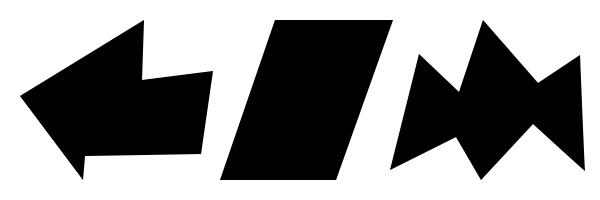
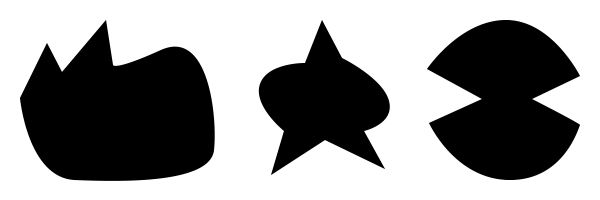
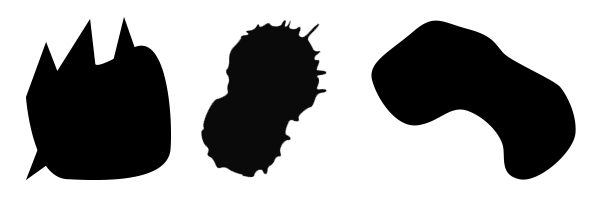
The general outline of something is called a shape; it is a configured or delineated area on a two-dimensional surface created by line or by color, tone, or texture
We can categorize shapes as (many shape types can be in more than one category):
Geometric/Rigid
Curvilinear/Organic
Rectilinear (also a kind of Geometric/Rigid shape)
Irregular (can be a kind of Geometric/Rigid shape)
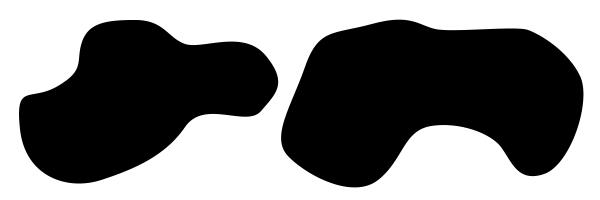
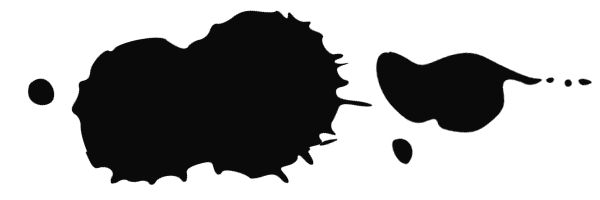
Accidental
Nonobjective/nonrepresentational
Representational
Our text makes a distinction between Representational and Abstract. I think it's an arbitrary and confusing
distinction. Almost anything that could be categorized as Representational could also be categorized as Abstract, and visa versa.
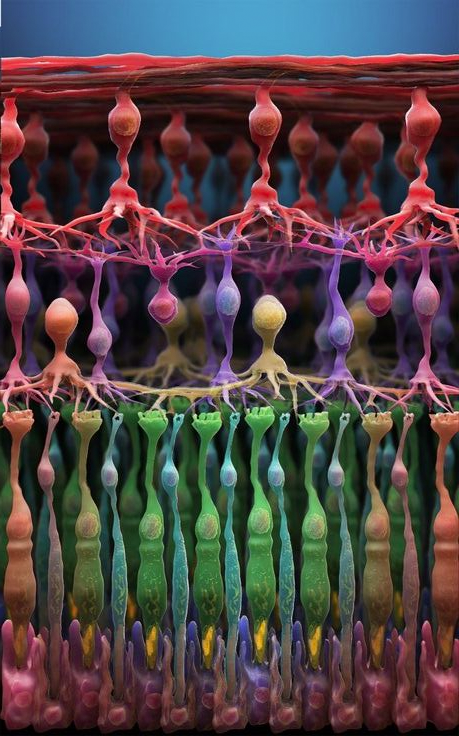
Four kinds of light-sensitive receptors are found in the retina
rods
three kinds of cones, each "tuned" to respond best to light from a portion of the spectrum of visible light
cones that absorb long-wavelength light (red)
cones that absorb middle-wavelength light (green)
cones that absorb short-wavelength light (blue)
Fun fact: Turtles have more then three types of cones (5, in fact) and can see colors we cannot!
Subtractive (aka reflective) vs Additive color
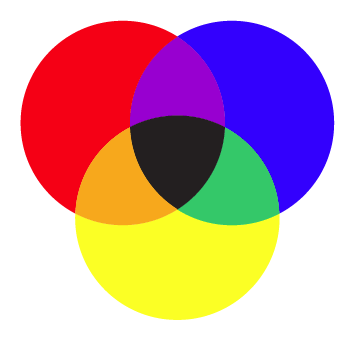
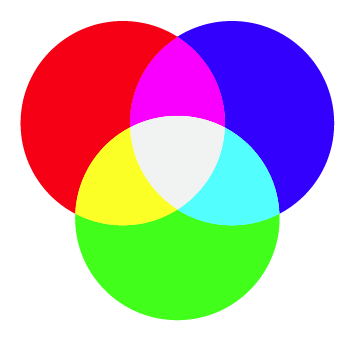
Paint, apples, and the printed page, all use colors that subtract light-waves when they reflect a color back into your retina. Smart Phones, TV sets, Computer Screens, all beam light-waves directly into your retina and don't subtract light-waves, but add different value combinations of Red, Green and Blue light (RBG).
Subtractive:
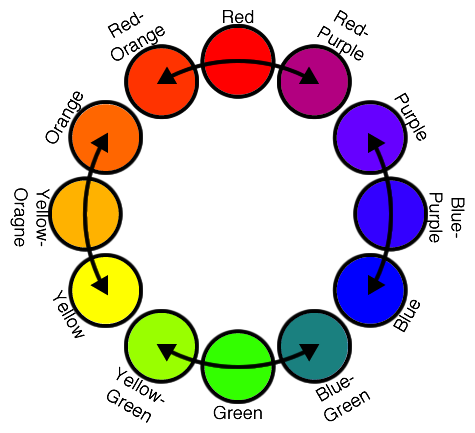
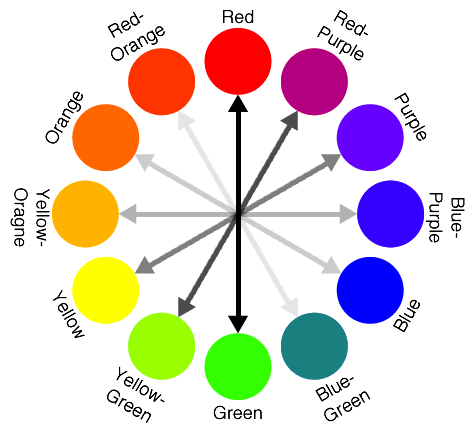
Red, Yellow and Blue
Additive:
Red, Green, and Blue (RGB)
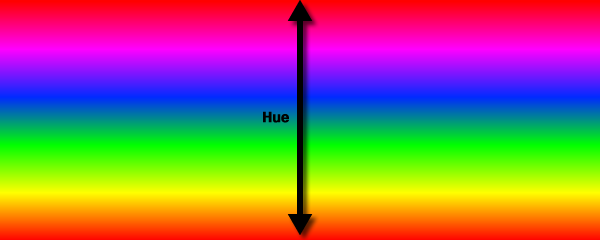
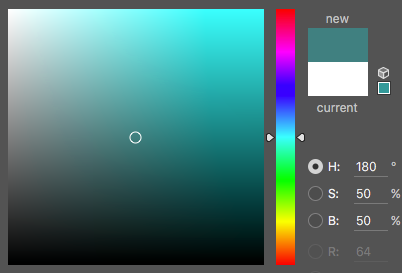
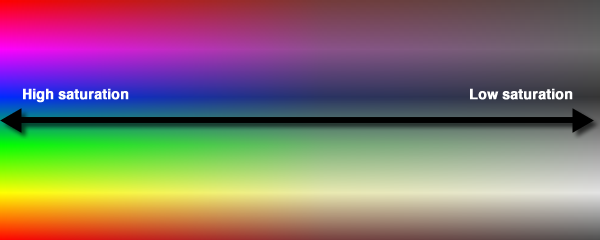
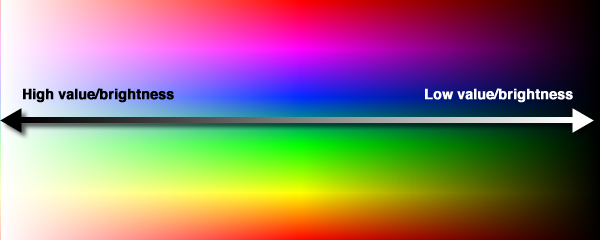
Color Properties: Hue, Saturation, & Value
Hue: the name of a color, or the “color” of a color,
usually measured in degrees (0-360)
Saturation: Brightness to dullness of a color, AKA Chroma or Intensity
Value: The lightness to darkness of a color, AKA Luminosity
Other Color Properties
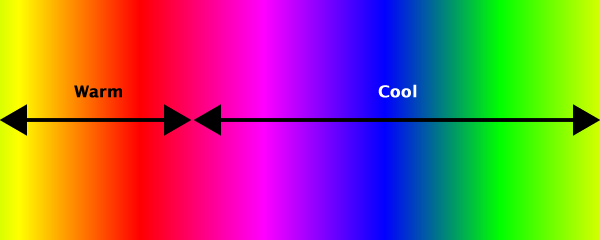
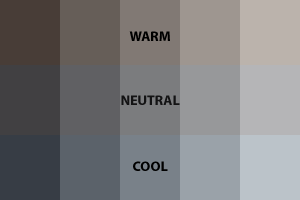
Temperature
Warm: Red to orange to yellow Cool: green to blue to violet
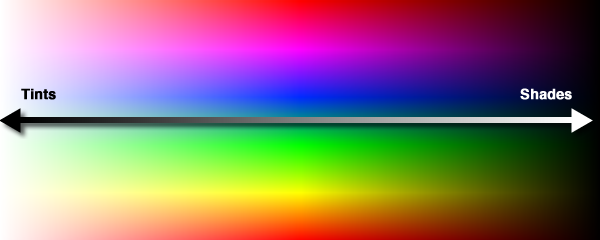
Tints & Shades
Tints and Shades: Add white for tints, black for shades
Color Models
Different systems of expressing color have different ways of creating colors and different limitations on what they can
display (also known as a color gamut).
In Subtractive:
Red, Yellow and Blue
In Additive:
Red, Green, and Blue (RGB)
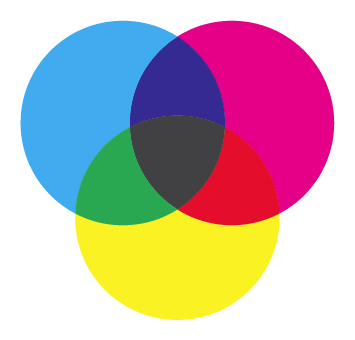
Other Color Models: Print:
Cyan, Magenta, Yellow and Black
(CYMK)
Other Color Models:
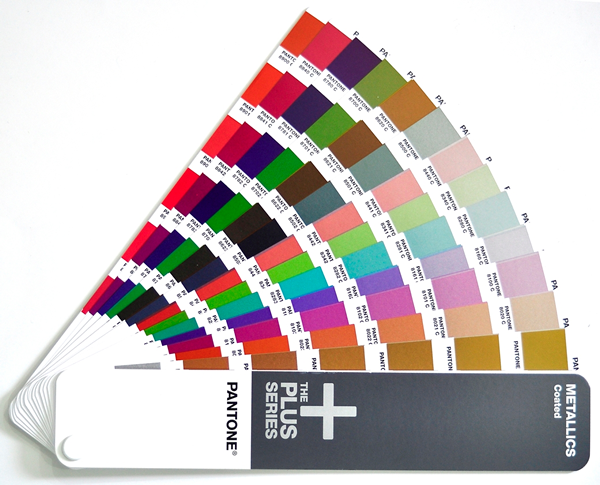
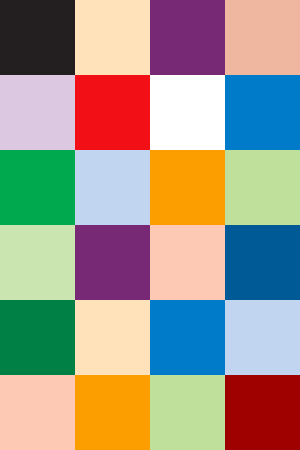
Print: Pantone Colors
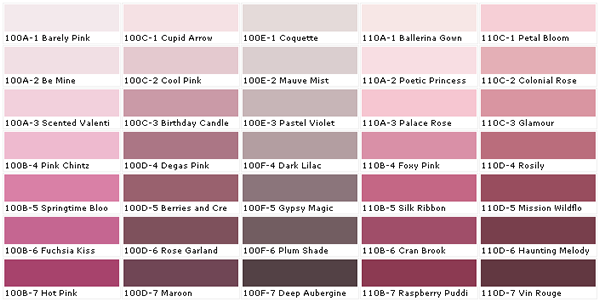
Other Color Models: Print: House Paint
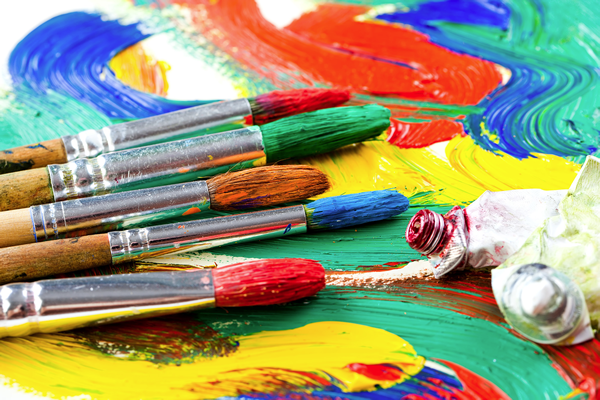
Other Color Models: Artist Paints
Any given color model as a finite range of colors it can express. This is known as the Color Gamut
Color as a Design Fundamental:
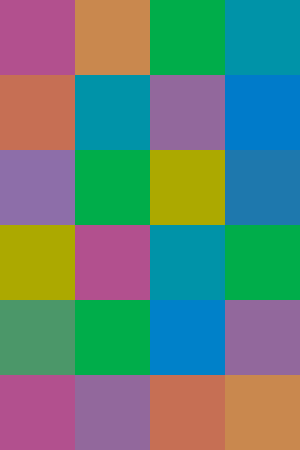
Hue Contrast
Saturation Contrast
Value Contrast
Color contrast of Hue, Saturation, and/or Value can be exploited as a means of Graphic Expression.