Class Fourteen

Crit Assignment 5: Color Brush

Next Assignment: Trompe L'oeil Quodlibet.

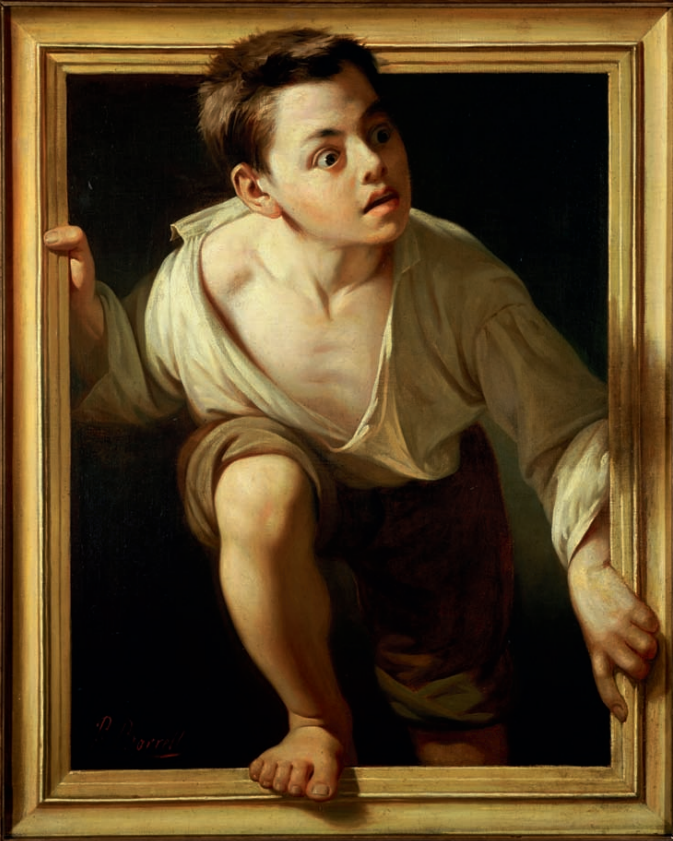
Escaping Criticism by Caso Assignment Page

Trompe L'oeil Quadlibet:

[ French trawnp -yuh; English trawmp loi ]

(craftily) hoodwink; to be unfaithful to, cheat on a spouse; to elude, escape from capture

(a) (Declension: pl yeux) eye;

An art technique involving highly realistic imagery intended to fool the eye into believing that what it's seeing is a real object, and not a painted one.

Trompe L'oeil History In Painting

Pompeii Tromp L'Oeil

Mural from Pompeii, c.70 AD

Painted Dome

Di sotto in sù (from below, upward).

Fly Portrait of a Cathusian by Petrus Christus, 1446

A fly sitting
on the
picture frame

curtains

Parhassius-style
curtain
across
the picture

curtains

Another curtain
across
the picture

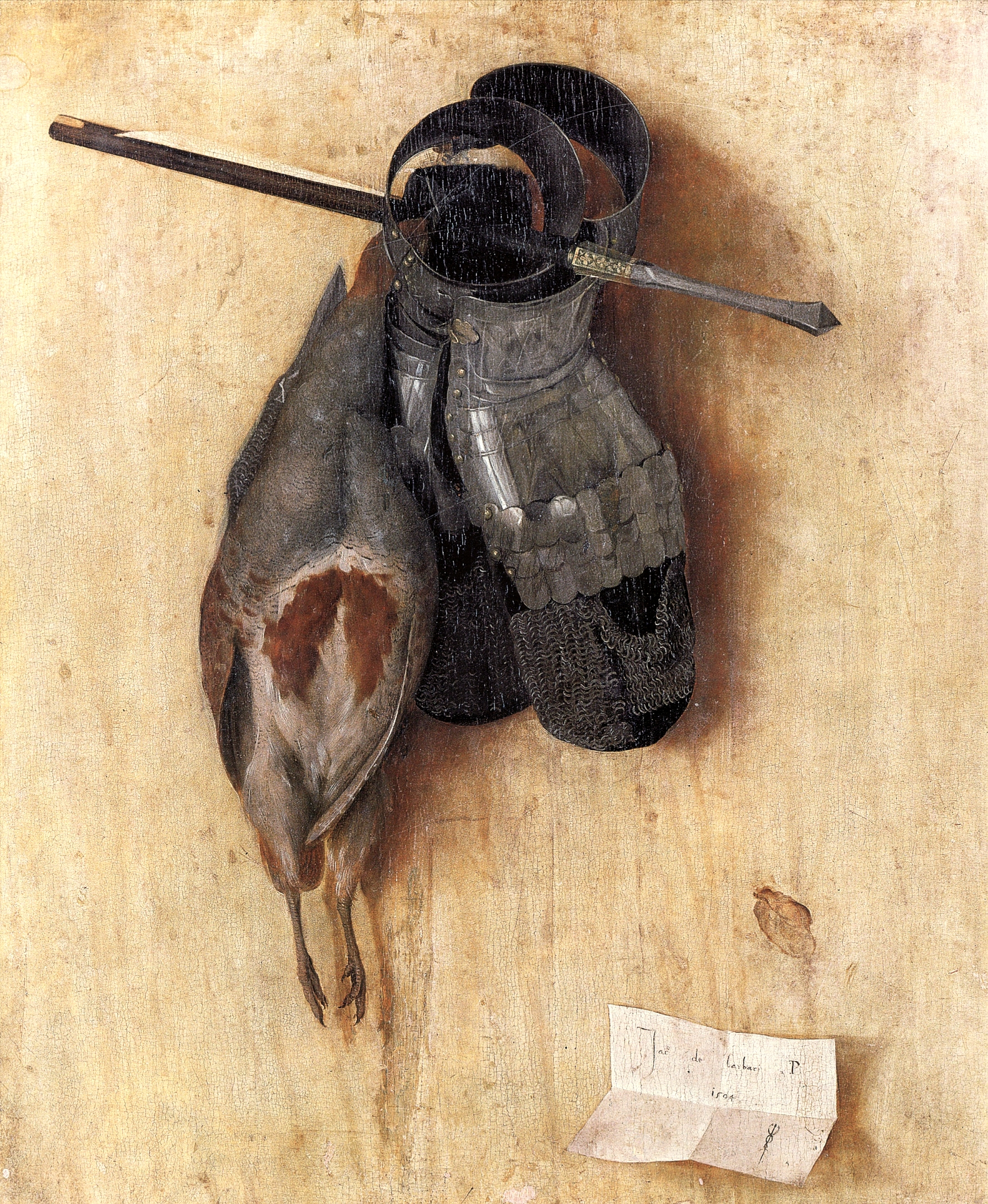
Jacopo de' Barbari, 1504. The first still-life trompe l'œil since antiquity

Jan Van Eyck
The Annuciation Diptych
1433-35
Paintings of stone statues

Jacopo de' Barbari, 1504. The first still-life trompe l'œil since antiquity

Detail

Jacopo de' Barbari, 1504. The first still-life trompe l'œil since antiquity

A piece
of paper
attached
to a
board

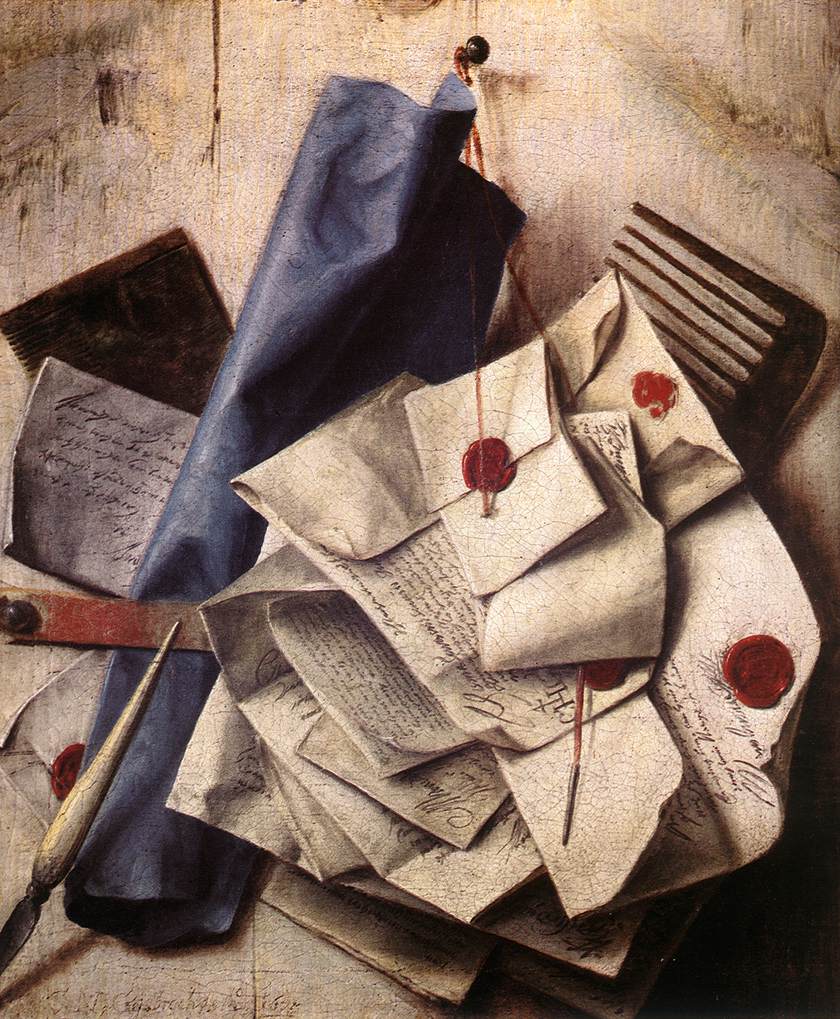
Cornelis Norbertus Gijsbrechts, 1670

The back
of the
canvas

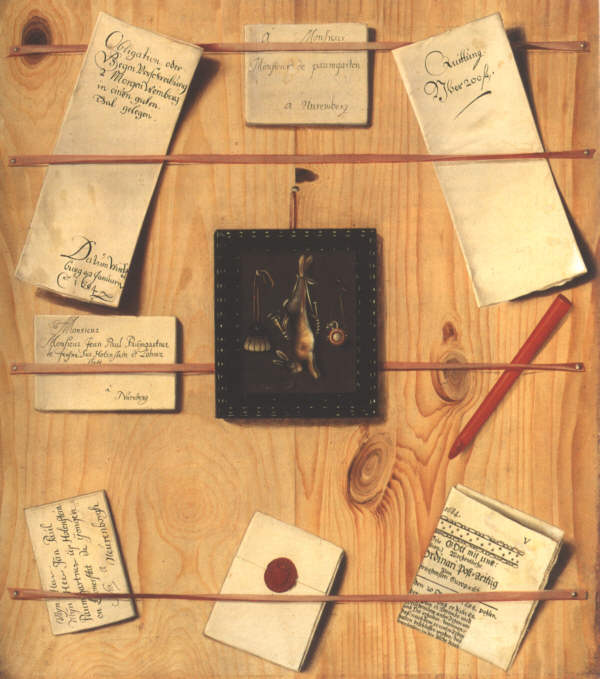
The Trompe l'oeil quodlibet

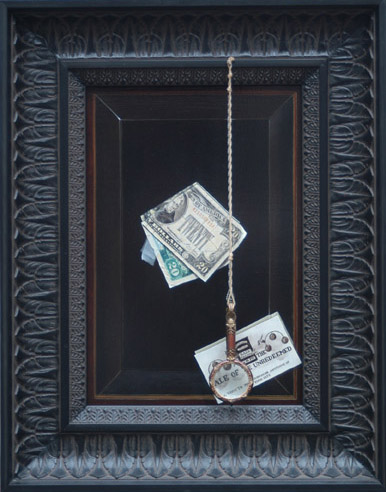
This will be your assignment, a trompe l'oeil quodlibet.

What makes an image a trompe l'oeil a quodlibet?

Some Examples:

Reality of Appearance Pintrest Page

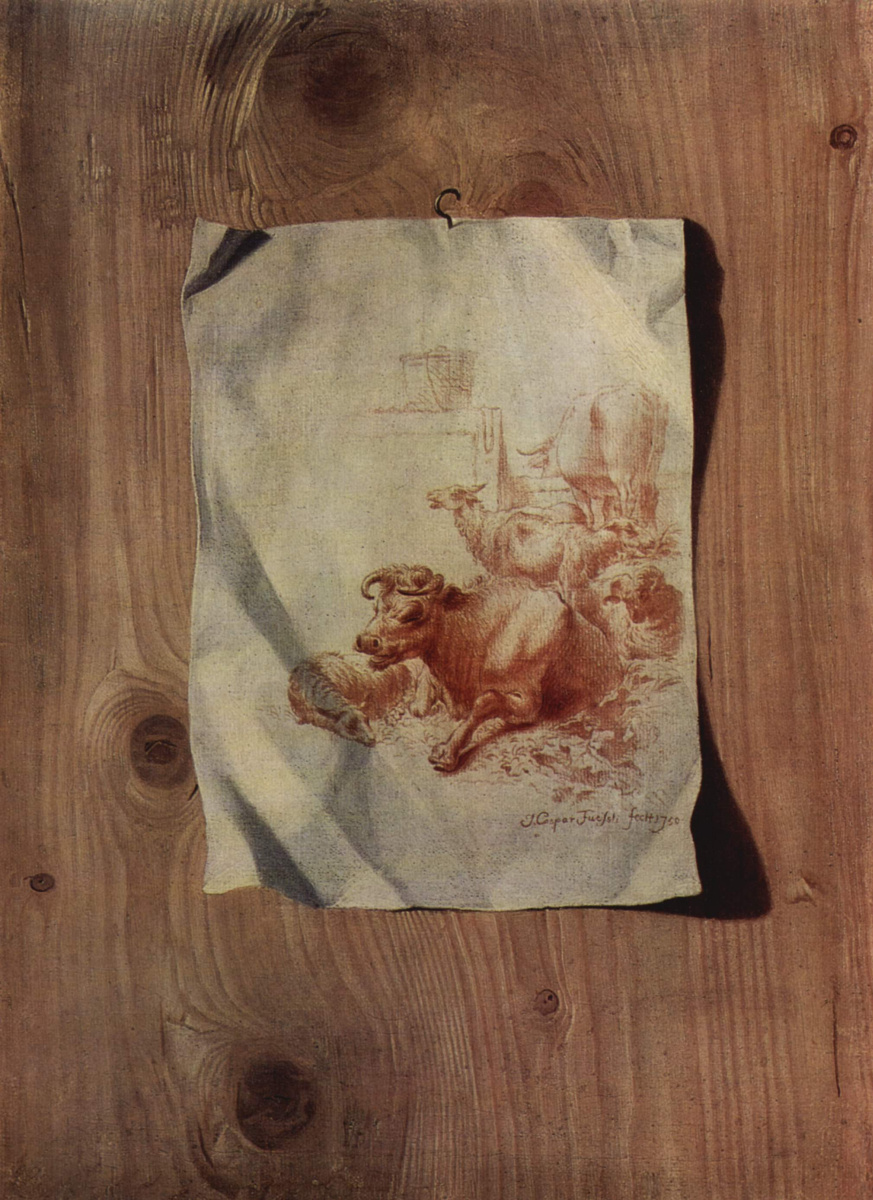
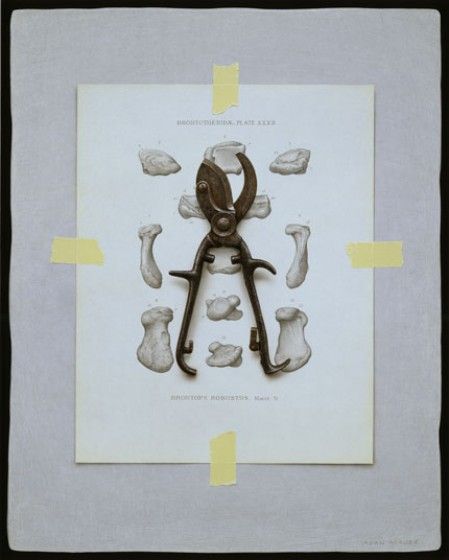
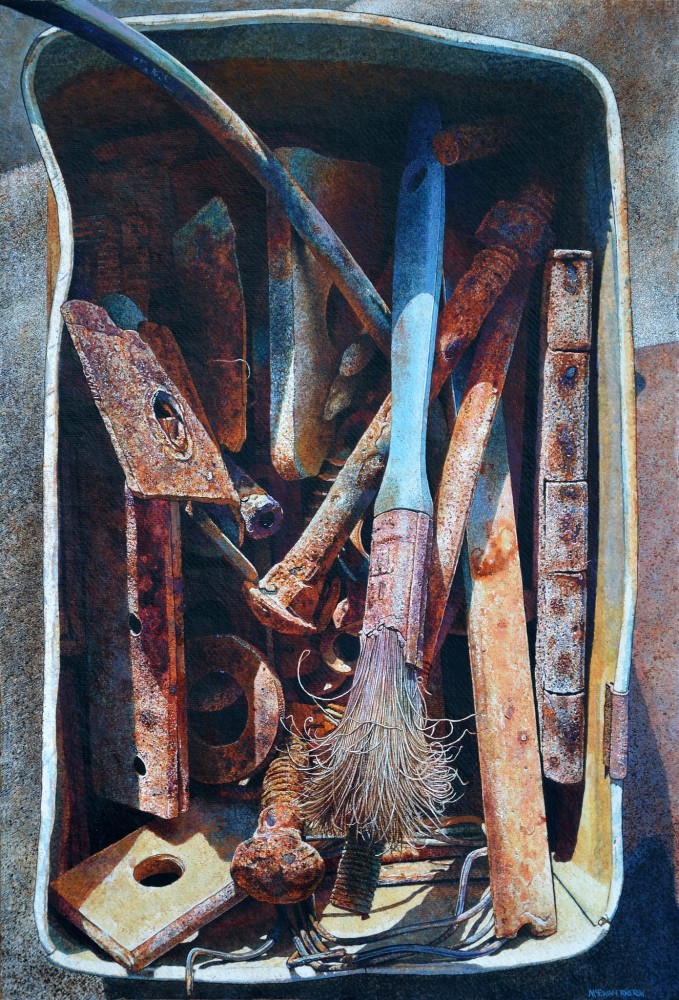
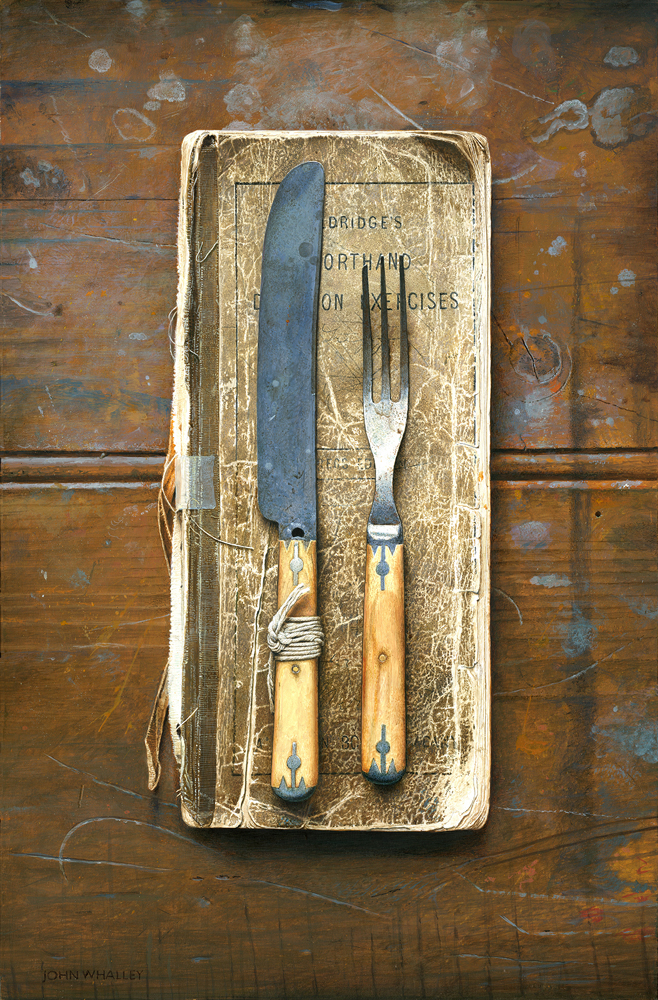
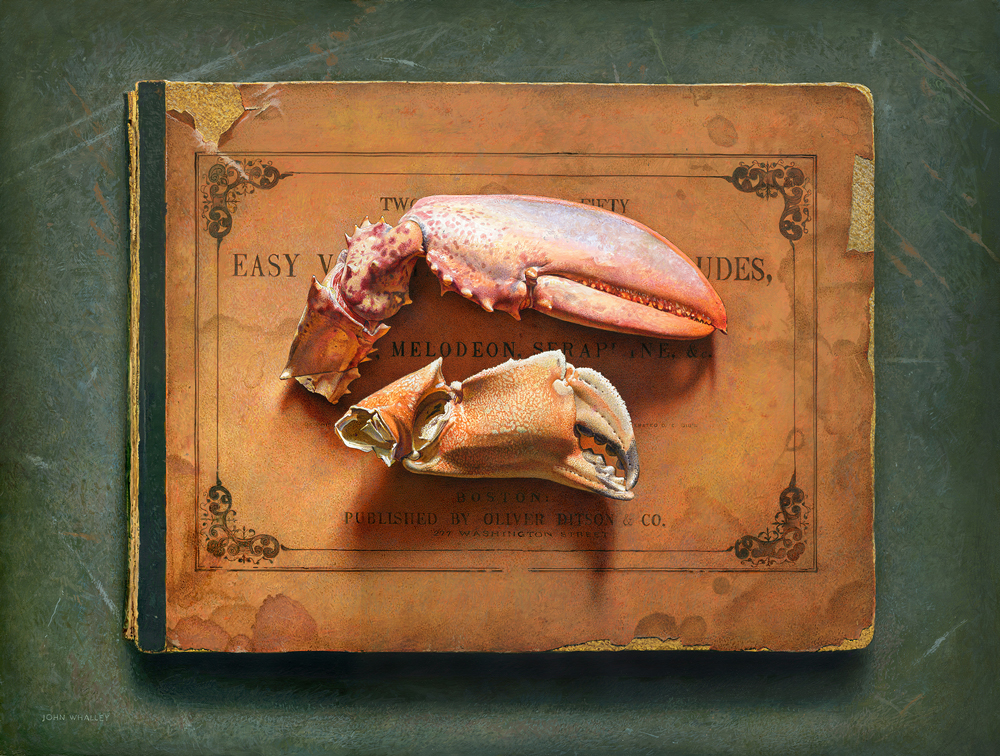
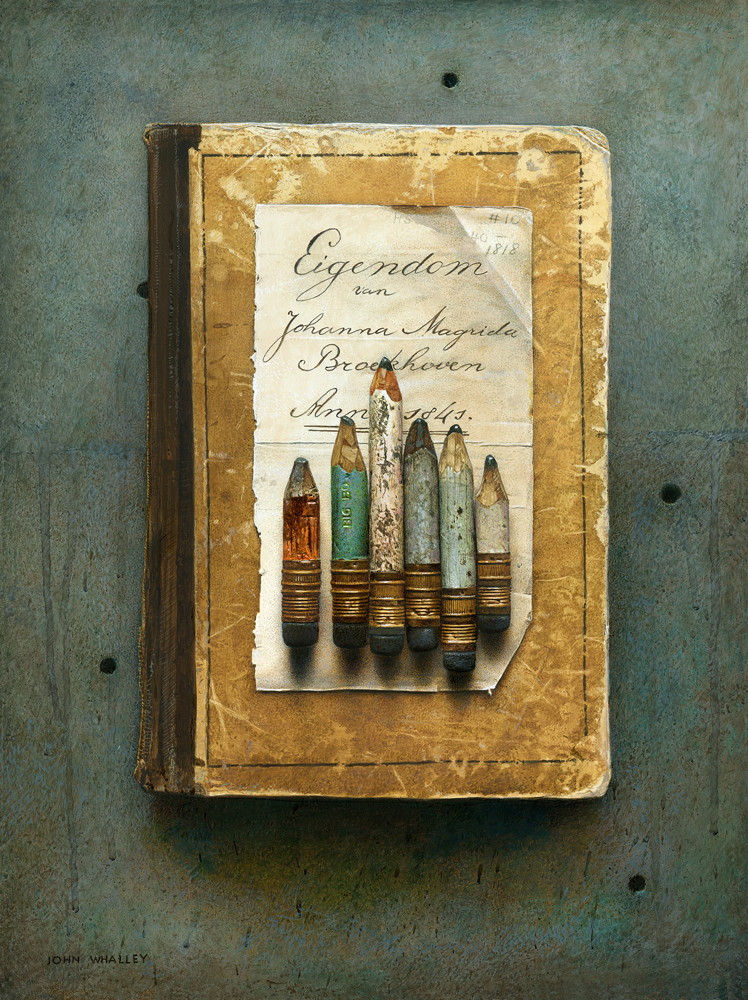
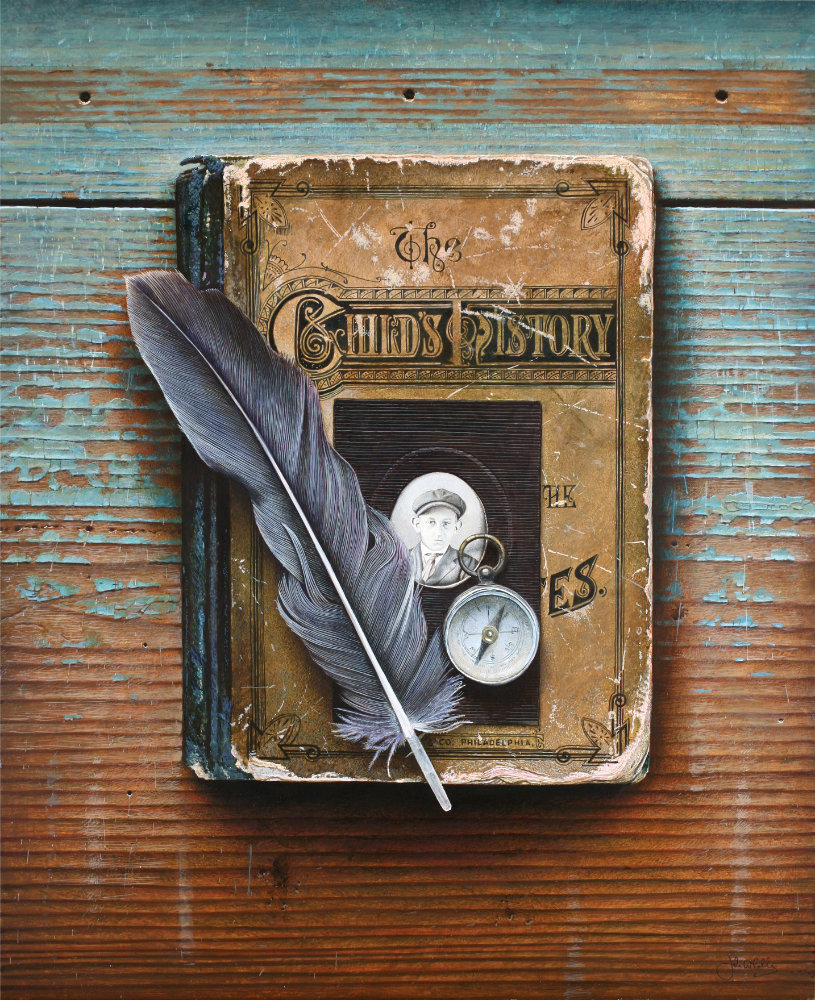
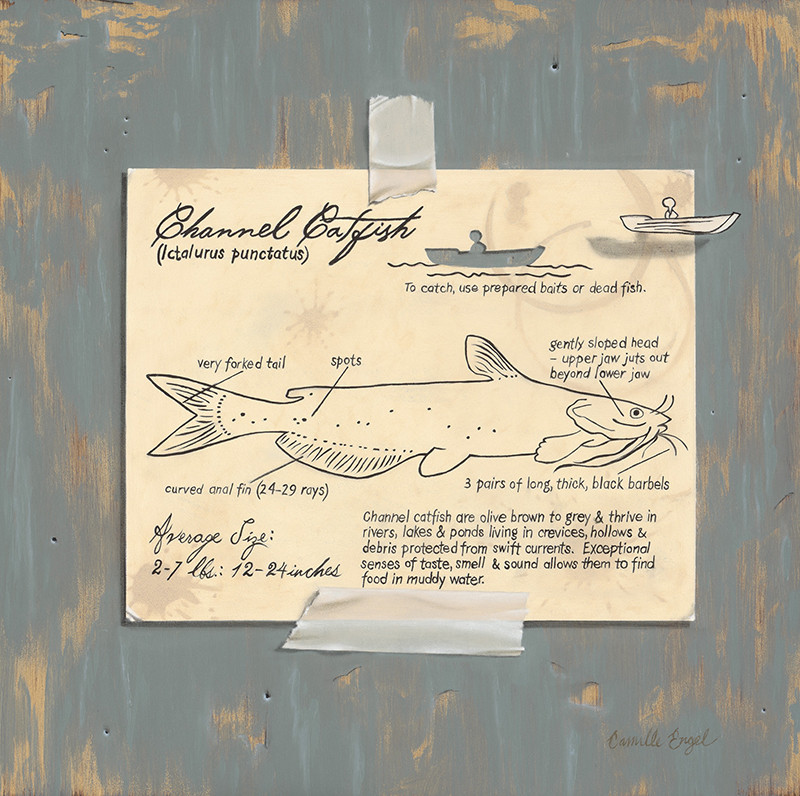
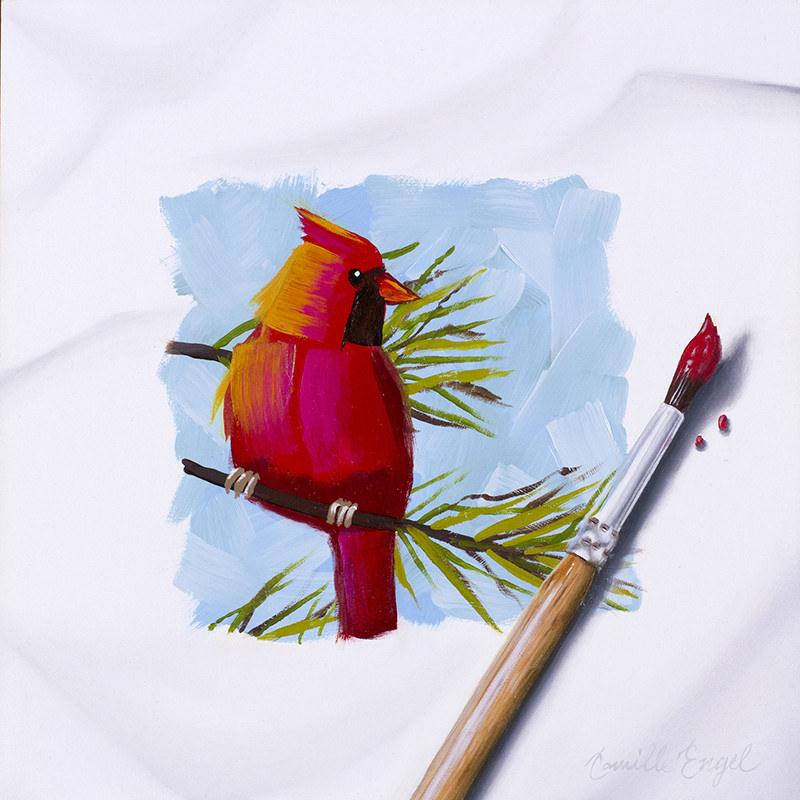
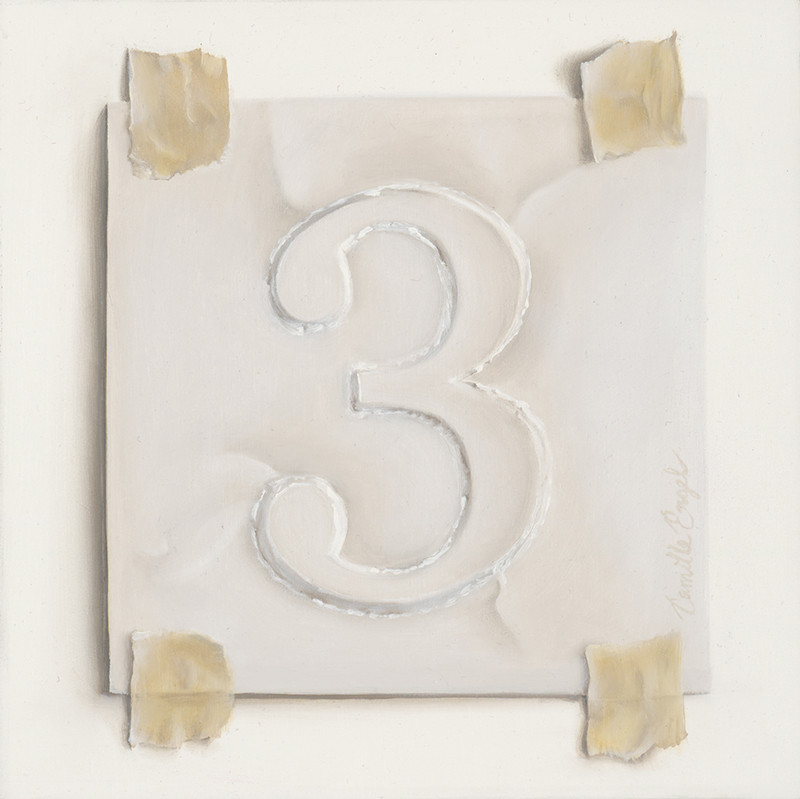
Jocopo de' Barbari, 1504 Henry Fuseli, 1750 Edward Collier, late 17th century, Dutch John Haberle, Time and Eternity, ca 1889 Cornelius Gijsbrechts, c.1675 Flemish Shane Jones, 2007, Shane Jones, 2006 Shane Jones, 2009 unknown Cornelis Gijbrecths c.1630, Flemish Cornelis Gijbrecths c.1630, Flemish Edwart Collier, c.1702 De Scott Evans, late 19th century, Ohio, USA John Haberle, c. 1890 Eric Conklin, contemporary unknown Sabastiano Lazzari Johann Heinrich, Trompe-l’oeil, oil on canvas, 1750 John Frederick Peto, Office Board, 1885 William Harnett, Mr. Hulings’ Rack Picture, oil on canvas, 1888 Sharon Moody Sharon Moody Sharon Moody’s Drowning Girl Secret Hearts Vol. 1, No. 83. Alan Magee, After Linnaeus, acrylic and oil on panel, 2006 Angus McEwan, Box Full of Shadows, Watercolor The Chatsworth House violin, Jan van der Vaardt (c.1650-1727) Otis Kaye, The American Dream John Whalley John Whalley John Whalley John Whalley Theodor Pištěk, Josef N., (1978), Art Library Project Christopher John Harrison, Keys to the drinks cupboard, Contemporary Camille Engel, Gone Fishing, Oil on Panel, 12x12, contemporary Camille Engel, Paint Me Red, Oil on Panel, 8x8, contemporary Camille Engel, Third Times the Charm, Oil on Panel, 8x8, contemporary Karen Budan, Unlocking the Past, Oil on Panel, 30x30, contemporary Karen Budan, Great Balls of Fun, Oil on Panel, 30x40, contemporary

Sources:

Some well-known contemporary photo-realists:

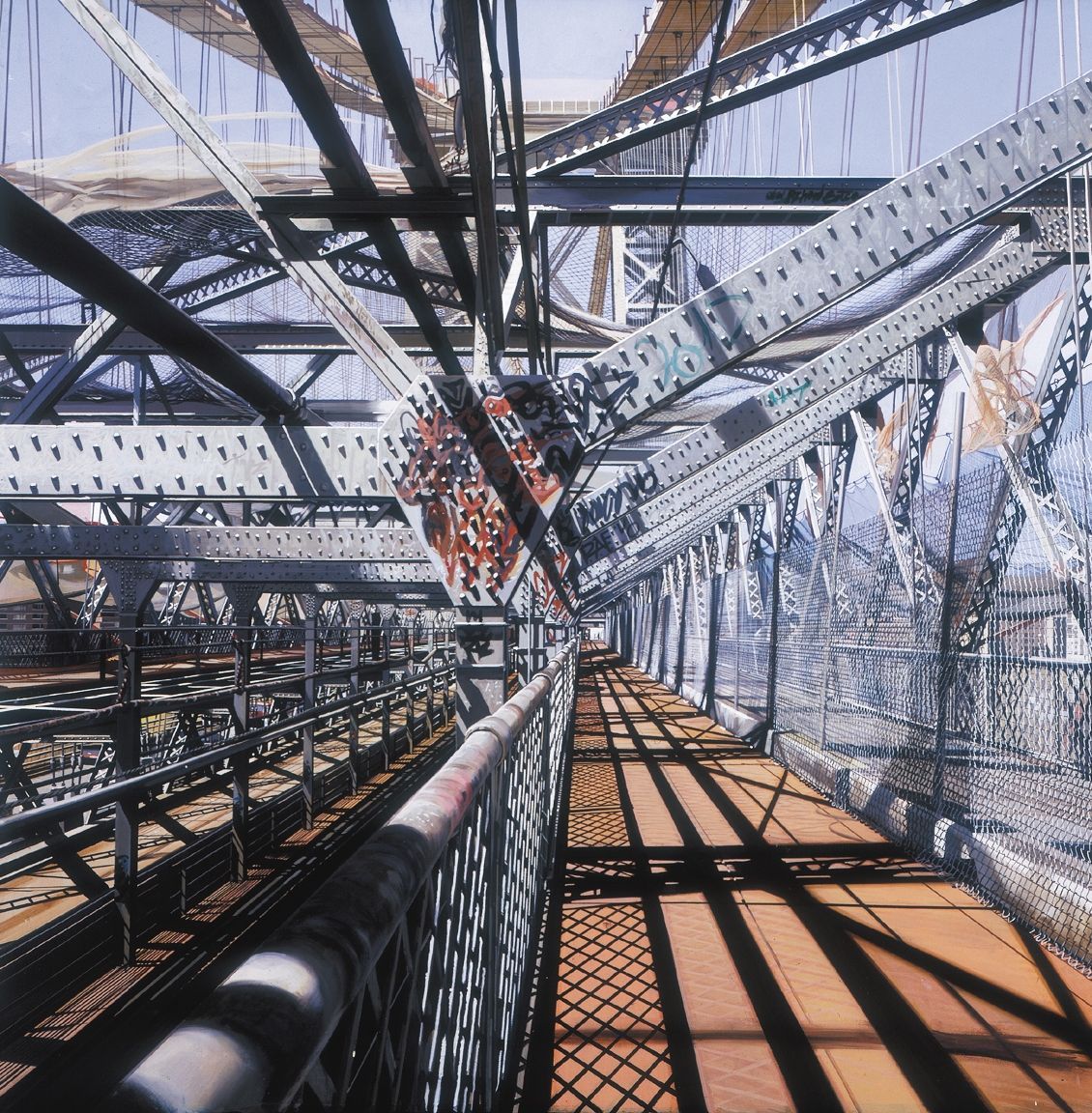
Richard Estes

Estes Estes 2 Estes 3

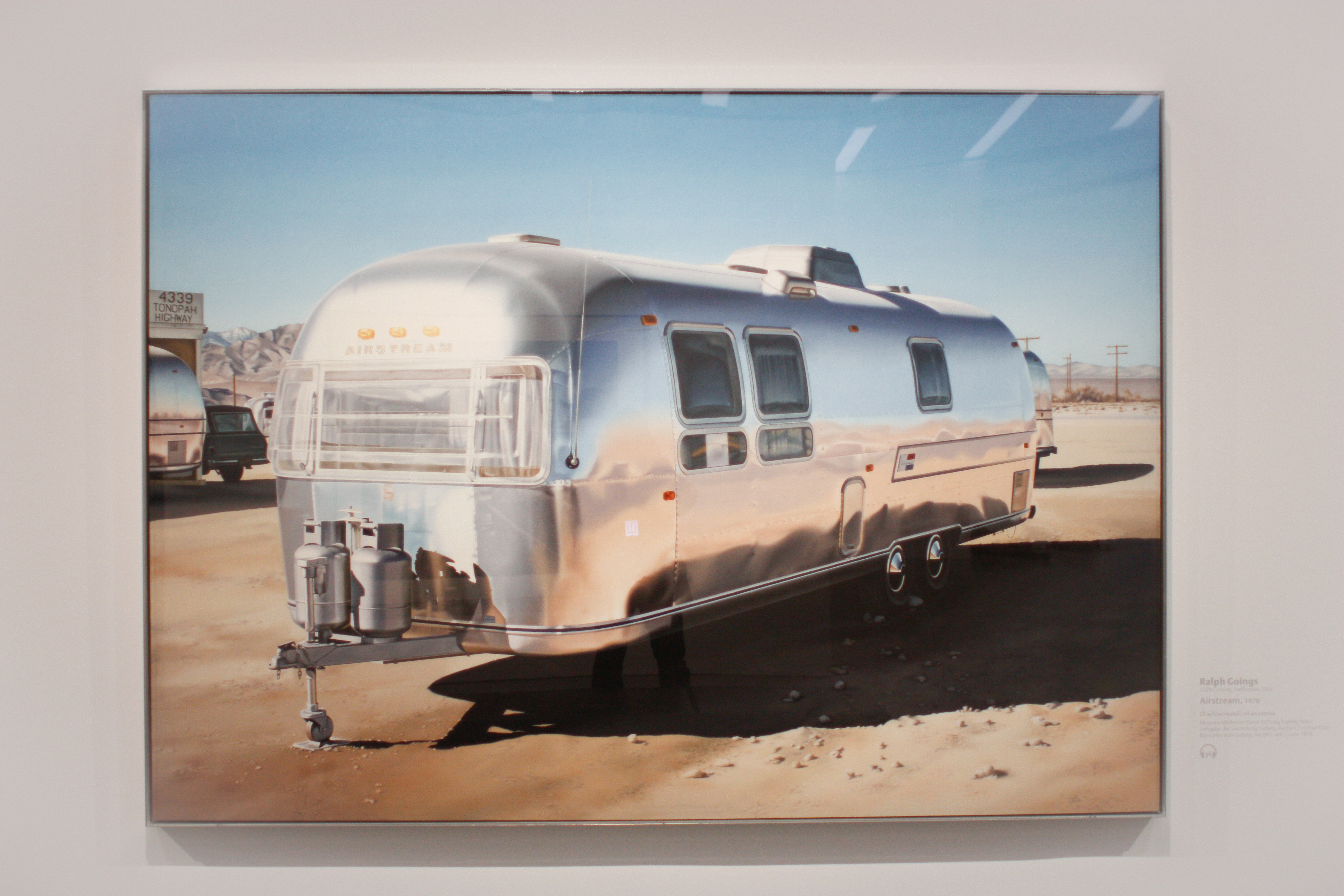
Ralph Goings

Goings 1 Goings 1 Goings 2

Audrey Flack

Flack 1 Flack 2

Bert Monroy

Monroy 1 Monroy Closeup Monroy 3

Past Student Trompe L'oeil Quadlibets

Trompe L'oeil Prep

How to prepare a photograph for a Quadlibet:

  1. Measure out or cut something to 4 x 5 inches
  2. Tape, pin, clip, glue, use a ribbon or rubberband, to hold objects to surface
  3. Layout objects, but make sure none of them or more than an inch deep
  4. Place the assemblage in indirect light, with the upward direction of the layout nearest the light-source, resulting in shadows that are below the objects in the layout
  5. Take as high resolution image as your camera or phone will allow
  6. Don't use flash!
  7. Send me your photos by email for approval! I will also perfect them and size them correctly for you. Be sure and include something in the image that I can measure it's size (even just an inch mark on a piece of paper).

The resulting photo:

The perfected photo:

Prepping the image in Photoshop

If you want to do it on your own

Using the Perfected Image: It's All About Layers!

Sketch Objects Layer